
Sizing & Selection
Prime vs Standby Diesel Generator Ratings: Key Differences
Prime and standby ratings define how long a generator can sustain specific loads. Prime allows sustained average load, while standby handles short peak demand. Choosing
Learn how to calculate load requirements and choose the right generator size based on starting demand and duty cycles.
Prime and standby ratings define how long a generator can sustain specific loads. Prime allows sustained average load, while standby handles short peak demand. Choosing

Diesel generator sizing directly affects engine lead time. Prime duty cycles demand higher torque and heat dissipation, often extending delivery schedules compared to

Determine diesel generator size by calculating the total three phase load, balancing phase currents, and applying appropriate diversity factors. This process ensures the
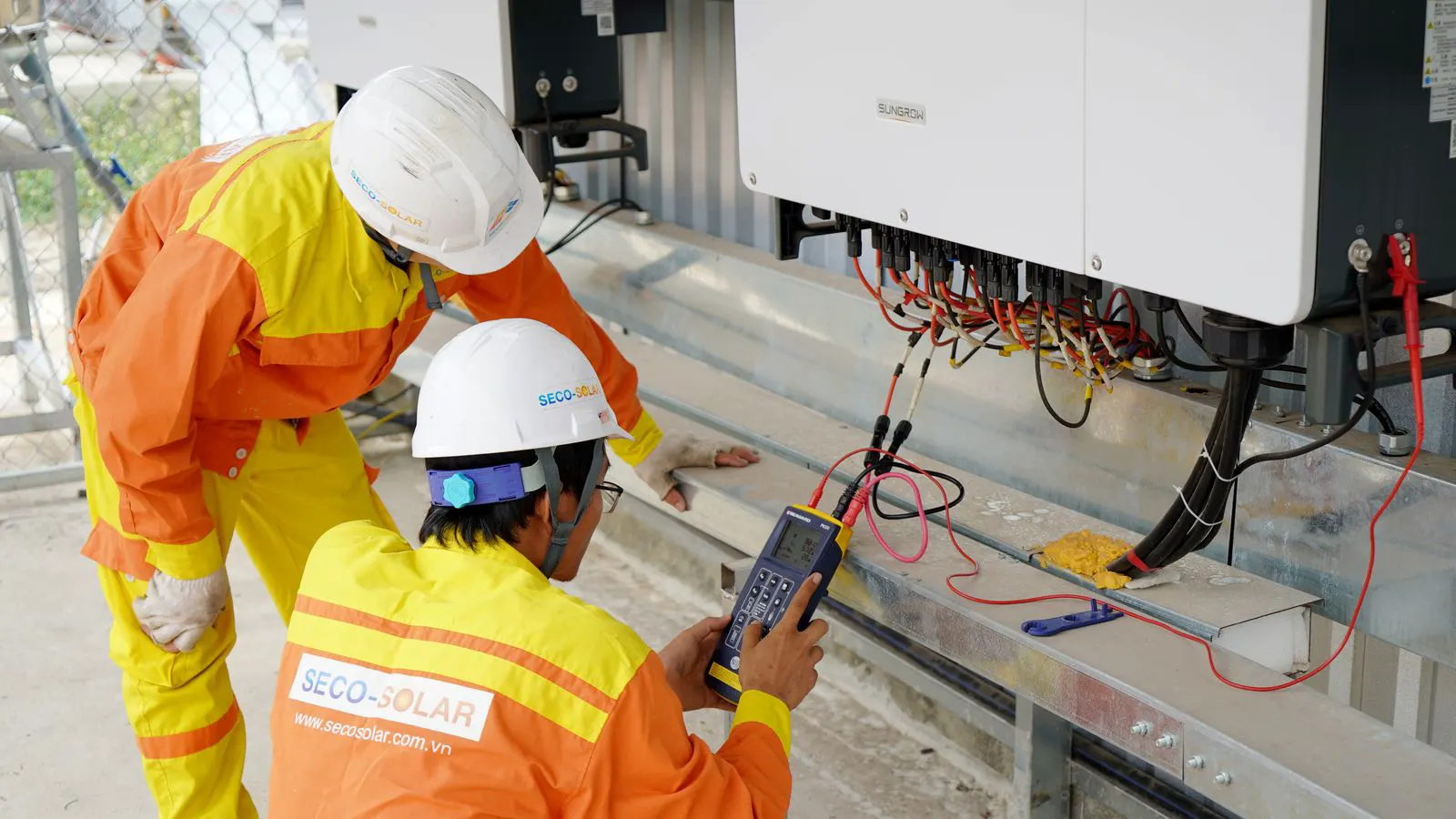
Load bank testing measures electrical performance under controlled conditions. Site testing verifies mechanical and environmental integration at the installation
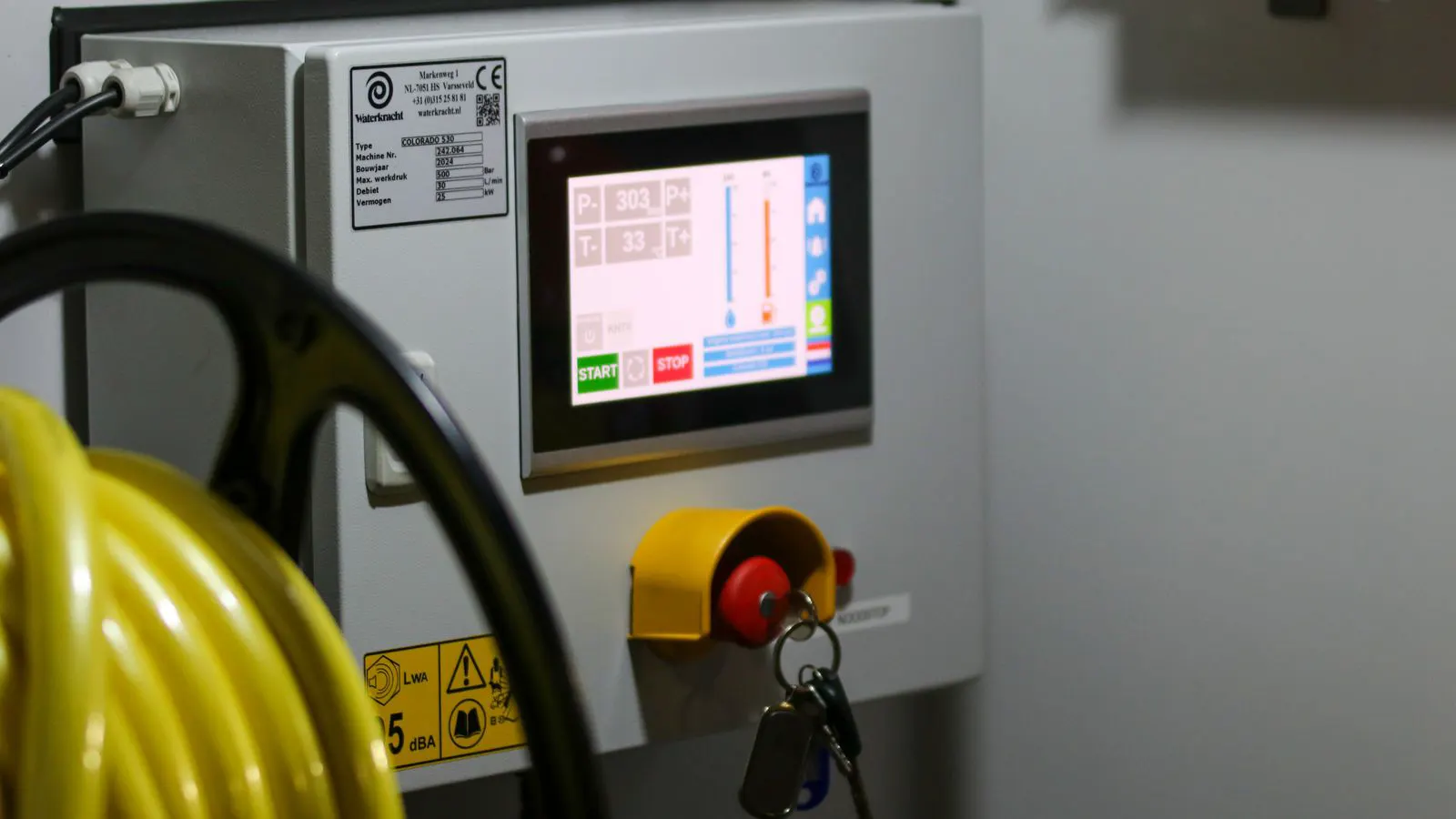
An oversized diesel generator often causes poor fuel efficiency, frequent short cycles, and rapid wear. This guide identifies common symptoms, explains the technical

To calculate generator size, you must determine continuous load, account for motor starting demand, and analyze duty cycles. This guide provides a step-by-step method to

Correct diesel generator sizing starts with accurate load calculation. This guide covers peak versus average loads, duty cycles, and key selection criteria to prevent

Generator capacity planning directly determines your final budget and equipment arrival date. Oversizing drives up capital expenditure and increases lead time.

Peak load is the highest instantaneous demand during a period, while average load is the mean demand over time. Generator sizing must handle peak loads to prevent

A reliable generator load calculation requires summing all connected loads, applying demand factors, and verifying duty cycles. This checklist helps industrial buyers
Diesel generator sizing is a forward-looking framework that balances current load profiles against future expansion and regulatory shifts. Buyers should plan for five