Diesel Generator Lead Times: Prime vs Standby Engine Models
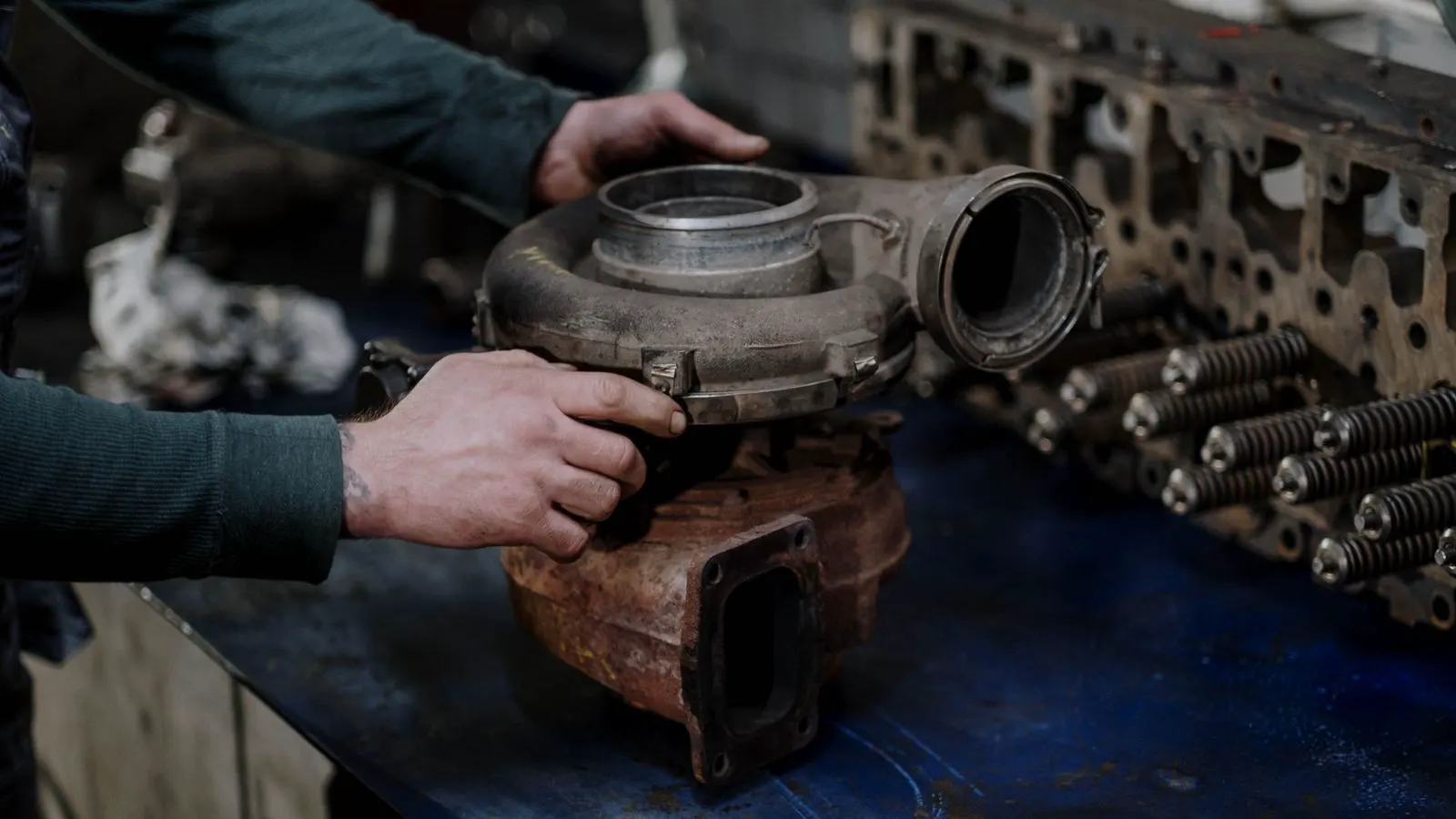
Diesel generator sizing directly affects engine lead time. Prime duty cycles demand higher torque and heat dissipation, often extending delivery schedules compared to standby models. Clear RFQs specifying load profiles help vendors allocate capacity and reduce uncertainty.
- Prime duty cycles require heavier engines and longer manufacturing cycles than standby models.
- Engine lead time depends on supply chain stability, not just factory output.
- A clear RFQ with load data reduces back-and-forth and accelerates quoting.
- Compare quotes by total delivery date, not just unit price.
- Multi-phase loads can complicate sizing and extend vendor review time.
Why duty cycle changes the delivery calendar
Selecting a diesel generator is rarely just about matching kilowatts to a load. The duty cycle you choose shapes the mechanical design, the sourcing of components, and the final delivery date. A standby unit sits idle for weeks at a time. It does not need to sustain high thermal loads over long shifts. A prime unit runs continuously or near-continuously. It must handle sustained torque, higher exhaust temperatures, and more frequent maintenance windows.
Engine manufacturers plan production schedules around these differences. Prime engines often require reinforced cooling systems, heavier-duty transmissions, and larger fuel tanks. These components may come from specialized suppliers with their own lead times. When a factory orders a prime engine, it is not just booking a slot on an assembly line. It is booking a sequence of sub-suppliers. If one of those suppliers is delayed, the whole engine slips.
This is why two quotes for the same rated capacity can have very different delivery dates. The first might be for a standby unit that is already in stock. The second might be for a prime unit that needs to be built from scratch. The capacity number looks identical. The reality is quite different.
How prime and standby designs differ mechanically
Standby generators are designed for reliability during emergencies. They must start when needed, but they do not need to run for long periods. The engine block, radiator, and alternator are sized to handle brief, high-intensity events. The cooling system is adequate for short bursts of heat. The exhaust system is sized for low volume over long durations.
Prime generators are built for sustained work. The engine block may have thicker cooling jackets. The radiator area is larger to dissipate heat over hours of operation. The fuel system includes larger tanks and higher-flow pumps to keep up with continuous consumption. The alternator is also heavier, with thicker insulation and more robust windings to handle continuous current.
These differences affect the supply chain. A standby radiator might be a standard item. A prime radiator might require a custom core or a larger fan assembly. If the custom core is made by a third-party supplier with a six-week lead time, the engine cannot be completed until that core arrives. The factory cannot skip this step. The prime engine must be finished, not just assembled.
How to write a clear RFQ that speeds up quoting
Vendors quote faster when they have the data they need. A vague request for a “100 kW prime generator” leads to back-and-forth. The vendor asks for load details. You ask for a quote. They ask again. Days are lost.
A strong RFQ states the duty cycle explicitly. Specify whether the unit is prime or standby. If it is prime, state the maximum continuous runtime per week. For example, “prime duty, 16 hours per day, 5 days per week” is clearer than “runs a lot.” Include the ambient temperature range. High temperatures reduce engine efficiency and may require a larger radiator. Include the starting load if it exceeds the running load. Diesel engines have a torque limit at low speeds. If the starting load is too high, the engine may not crank the load. The vendor needs this to check the torque curve.
Include the site conditions. Is the unit indoors or outdoors? Is ventilation adequate? Is there a diesel supply nearby? These details affect the design. An indoor unit needs a larger exhaust system and a more robust air intake. These are not minor items. They are parts that take time to source.
How to compare quotes fairly
Vendors often compete on price. But price is only one variable. A cheaper quote with a 24-week delivery date may cost more than a premium quote with a 12-week date. The cost of downtime, rental generators, or project delays can outweigh the unit price difference.
Compare the total delivery date. Ask for the date the unit will ship, not just the date the quote was issued. Ask for the breakdown of lead time. How many weeks are spent on engine manufacturing? How many on shipping? How many on site preparation? Some vendors include site prep in the quote. Others do not. This difference can change the timeline significantly.
Check the warranty terms. A prime unit has a different warranty profile than a standby unit. Prime units are expected to run longer. The warranty may cover different components or require different service intervals. A shorter warranty period on a prime unit may reflect the higher operational stress. It may also reflect the manufacturer’s confidence in the design. Read the fine print.
How supply chain disruptions affect delivery
Supply chain issues are not just a matter of shipping containers being stuck in a port. They affect the parts inside the generator. Engine blocks are cast from metal. If the foundry is behind, the block is behind. If the electronic control unit is in short supply, the engine cannot be programmed. If the alternator windings are made by a single supplier, any problem there halts production.
Prime engines are more vulnerable to these issues. They use more specialized parts. A standby engine might use a standard control module. A prime engine might need a module that handles continuous data logging for maintenance tracking. That module may be made by a small electronics supplier. If that supplier has a defect, the prime engine is delayed.
This is why it is wise to order earlier than you think you need to. If your project has a hard deadline, do not assume the quote date is accurate. Ask the vendor to confirm the current backlog for that specific engine model. Ask if they have the parts in stock. Ask if the sub-suppliers are on schedule. These questions are not rude. They are standard practice in industrial procurement.
How to reduce lead time without sacrificing performance
There are ways to shorten the delivery time without compromising the engine’s ability to handle your load. One is to specify a standard configuration. Custom options like unusual voltage outputs, specific control panels, or custom paint schemes add time. If your site can accept a standard configuration, the vendor can use a pre-built kit. This reduces assembly time and reduces the chance of a custom part being delayed.
Another is to ask for a partial delivery. Some vendors can ship the engine and alternator together, and the control panel separately. If the control panel is delayed, the engine can still be installed and connected to a temporary controller. This is a practical solution for projects with tight deadlines. It allows the site to be prepared while the final control system is completed.
A third is to work with the vendor’s application engineer early. Bring your load data to the vendor before you send the RFQ. An application engineer can check the load profile and suggest a standard model that fits. This saves time on the quoting process. It also reduces the risk of ordering the wrong size.
How to verify the delivery date after signing the contract
A signed contract is not a guarantee of delivery. It is an agreement to make best efforts. If the supply chain shifts, the date shifts. You need a mechanism to track the progress.
Ask for a milestone schedule. This should include the date the engine block is cast, the date the engine is assembled, the date the alternator is attached, and the date the unit is tested. You do not need to see the factory floor. You just need to know the internal dates. If the block casting is delayed, you will know before the shipment date is missed.
Ask for a weekly status update. A short email with the current stage and the next milestone is enough. This is not micromanagement. It is standard project management. If the vendor does not provide this, ask why. Some vendors are small and do not have a formal process. Others are large and have a system. Either way, the information should be available.
Finally, have a backup plan. If the prime engine is delayed, what is the alternative? A rental generator? A smaller standby unit for critical loads only? A phased delivery of the project? Having this plan in place reduces stress and helps you make decisions quickly if the delay happens. It also shows the vendor that you are serious about the project, which can sometimes speed up their internal priority.
How to handle multi-phase loads in your sizing request
Multi-phase loads are common in industrial sites. They include motors, compressors, and other equipment that draw current in three phases. The sizing calculation is more complex than for single-phase loads. The generator must handle the phase imbalance. If one phase is loaded heavier than the others, the generator must manage the imbalance to prevent overheating.
This complexity affects the RFQ. You must provide the load data for each phase. A simple “50 kW three-phase” request is not enough. You need to state the kW per phase and the starting kW per phase. The vendor’s application engineer will use this data to check the torque curve and the thermal limits.
If the load is unbalanced, the vendor may recommend a larger generator. A 50 kW generator can handle a balanced 50 kW load. It may not handle an unbalanced load where one phase is 60 kW and the others are 20 kW. The generator will overheat on the heavy phase. The vendor will recommend a 60 kW or 75 kW unit. This changes the lead time. A larger unit may have a longer lead time than a smaller one.
This is why accurate load data is critical. It prevents oversizing, which wastes money and can cause operational problems. It also prevents undersizing, which can cause failure. The lead time is a consequence of the sizing decision. Get the sizing right, and the lead time is manageable. Get it wrong, and the lead time becomes a problem.
How to use lead time in your project planning
Lead time is not just a number. It is a risk. It affects when your site becomes operational. It affects your budget. It affects your team’s workload.
Plan around the longest lead time. If you have three generators, and one has a 24-week lead time, your project should be planned for 24 weeks plus site preparation. Do not assume the other two will arrive on time. They may. But the long lead time item sets the pace.
Build in buffer. If your deadline is firm, add a buffer to the delivery date. If the quote says 16 weeks, plan for 20 weeks. The buffer covers unexpected delays. It covers the time it takes to clear customs. It covers the time it takes to find a truck. It covers the time it takes to install the unit.
Communicate the deadline. Tell the vendor the exact date you need the unit on site. Tell them why. If it is for a production line that cannot start, they may prioritize your order. If it is for a retrofit, they may not. The context matters. A vendor who knows the stakes will treat the order differently.
How to respond to a late quote
If a quote arrives with a long lead time, do not just accept it. Ask questions. Ask why the lead time is long. Is it the engine? Is it the alternator? Is it the shipping? Ask if there is an alternative model with a shorter lead time. Ask if a partial delivery is possible. Ask if the vendor can confirm the current stock levels.
Sometimes the long lead time is due to a specific option you requested. If you remove that option, the lead time may drop. For example, a custom control panel may add eight weeks. A standard panel may add two weeks. The difference is significant.
Sometimes the long lead time is due to the engine model. If the vendor has a high-volume model with a shorter lead time, ask about it. It may be slightly different in specifications. It may not be exactly what you want. But it may be close enough. It may be the difference between a 24-week delay and a 12-week delay.
If the lead time is still unacceptable, ask for a deposit to reserve the unit. A deposit can lock in the price and the slot. It does not guarantee the date, but it shows the vendor you are serious. It also gives you a reference point. If the date slips, you have a written agreement to refer to.
How to verify the engine at delivery
When the unit arrives, verify it against the contract. Check the engine model number. Check the alternator model number. Check the control panel. Check the documentation. Check the test reports.
If the unit is a prime engine, check that it has been tested for continuous duty. The test report should show the runtime. If it is a standby engine, the test may be shorter. The test report is your proof that the unit works as specified. If the test report is missing, ask for it before signing the delivery note.
This step is not optional. It is your final check. If something is wrong, you want to know now, not after the unit is installed and connected to the site. A missing part or a wrong model is easier to fix at the dock than at the site.
Frequently asked questions
Can I order a prime engine with a standby lead time?
No. Prime engines require more time to manufacture because of their heavier components and specialized parts. A standby lead time is not realistic for a prime model.
How much longer is a prime engine lead time than a standby engine?
It varies by supplier and model, but prime engines often have a lead time several weeks longer than standby models of the same capacity. The difference depends on component availability.
What is the most common reason for a lead time delay?
Sub-supplier delays are the most common cause. If a specific part, like a control module or a radiator core, is delayed, the whole engine is delayed.
How can I reduce the lead time for my order?
Specify a standard configuration, provide accurate load data early, and ask for a partial delivery if possible. These steps reduce the time spent on custom work and review.
What should I do if the delivery date slips?
Ask for a milestone schedule to track the progress. Ask for a weekly status update. Have a backup plan in place, such as a rental generator or a phased delivery.