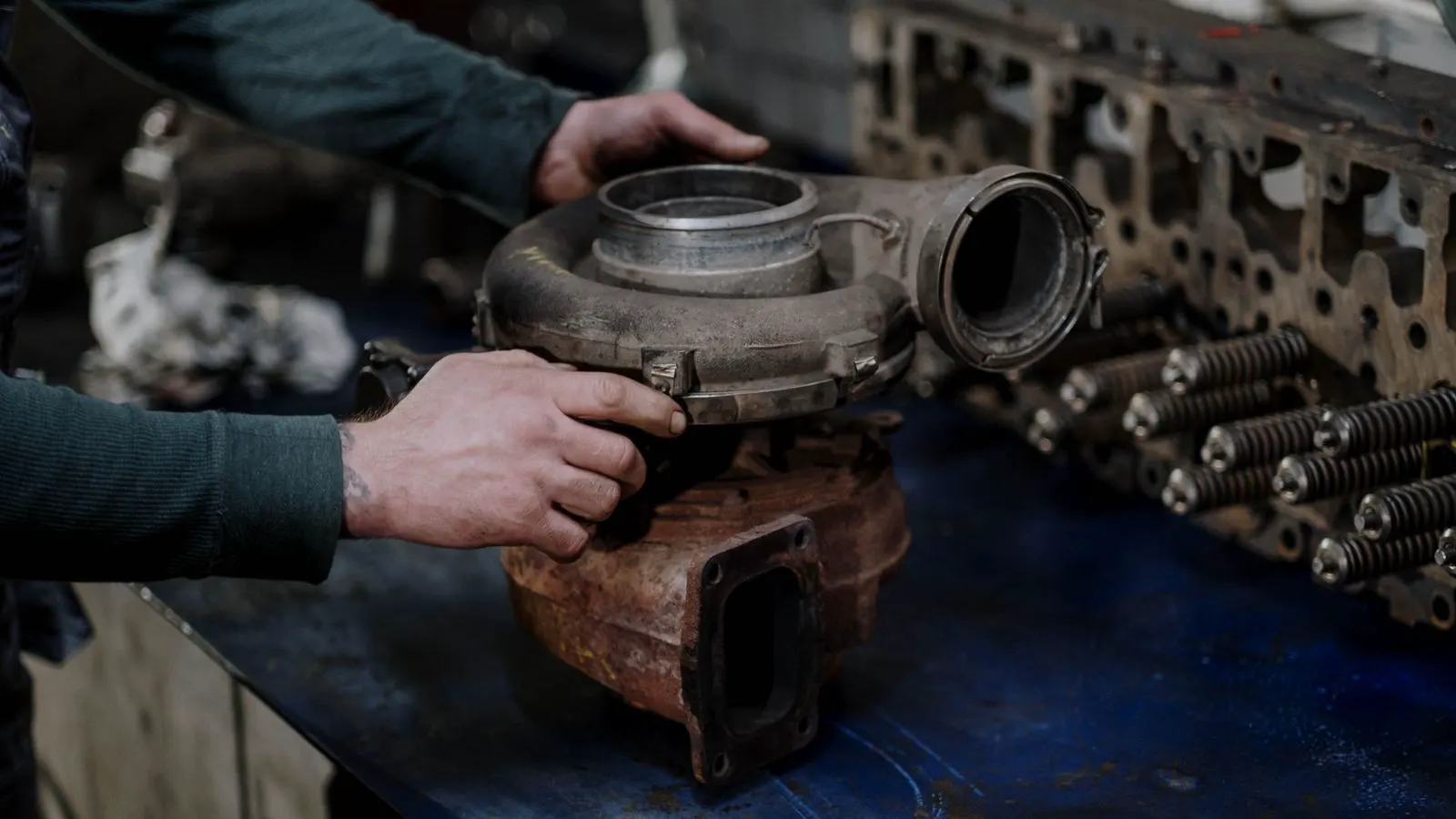
Load Bank Testing vs Site Testing: A Practical Comparison
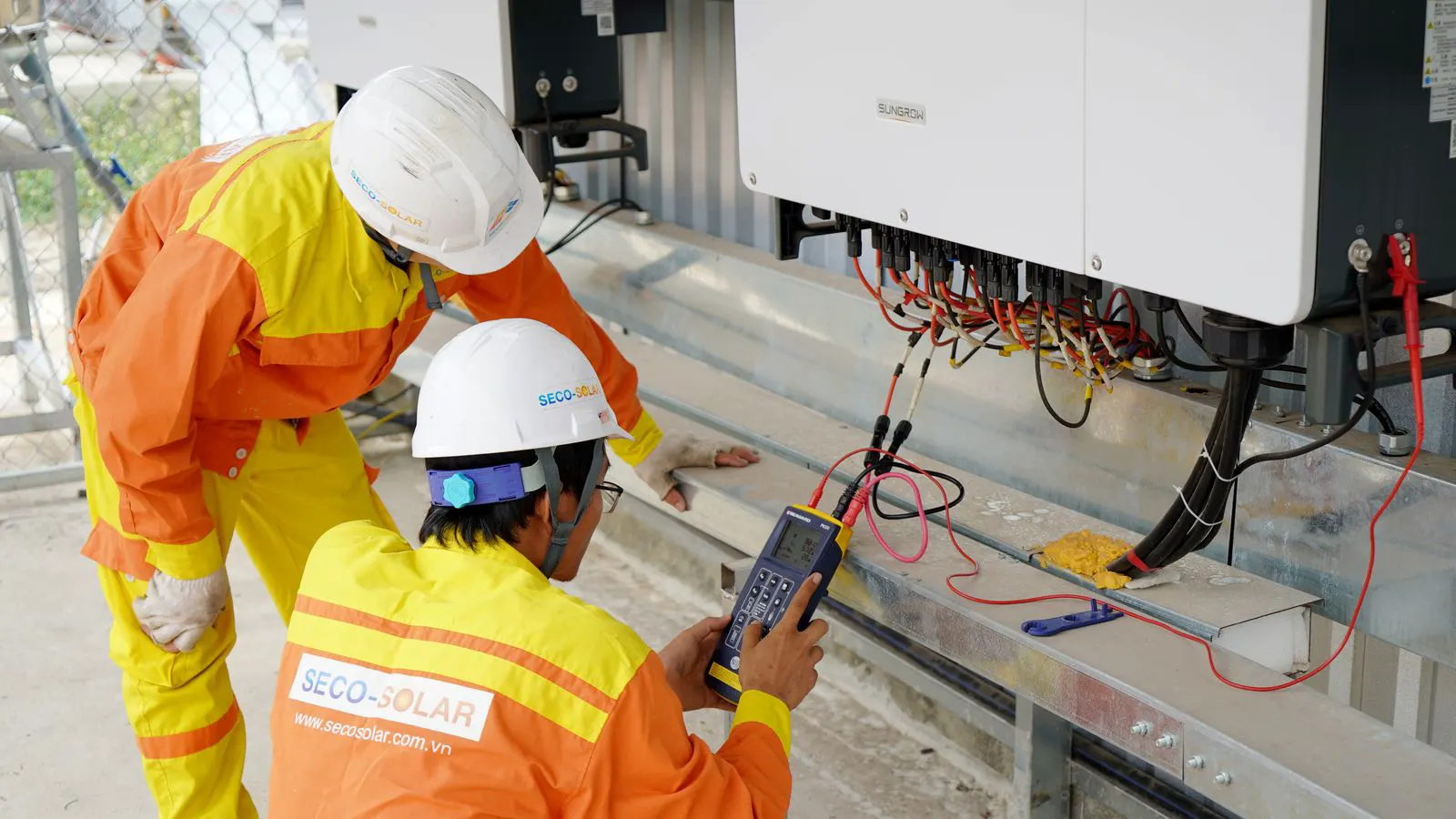
Load bank testing measures electrical performance under controlled conditions. Site testing verifies mechanical and environmental integration at the installation location. The best method depends on whether you are checking the machine in the factory or commissioning it at the site.
- Load bank testing isolates electrical performance in a factory or controlled environment.
- Site testing verifies how the generator operates within the actual installation.
- Choose load bank testing for new units before shipping or delivery.
- Choose site testing during final commissioning to confirm integration and environmental fit.
- Use both methods for critical applications to cover electrical and mechanical risks.
Why Test a Diesel Generator in Two Ways
Diesel generators fail for different reasons at different stages of their life. A unit can pull the correct voltage in a factory and then fail to hold frequency once it is installed in a hot, humid plant room. A second unit can start perfectly on the test bench and then struggle to maintain stability when connected to a heavy industrial load.
Testing methods differ because they isolate different variables. Load bank testing applies a controlled electrical load to the generator. It removes the influence of site conditions, fuel quality, ambient temperature, and installation errors. Site testing runs the machine in its final environment with its actual fuel system, exhaust path, cooling, and electrical connections.
The choice between the two is rarely a simple binary. Professional buyers and engineers often require both. The factory test proves the machine can perform. The site test proves it will perform where it is installed.
What Load Bank Testing Actually Measures
Load bank testing uses a resistor, inductive load, or electronic load bank to draw current from the generator. The test applies specific load levels, typically 10 percent, 25 percent, 50 percent, 75 percent, and 100 percent of nameplate rating. Technicians record voltage, frequency, power factor, and temperature readings at each step.
The load bank can simulate resistive, inductive, or capacitive loads. This matters because a diesel generator sees a very different thermal and mechanical stress profile when driving a motor load versus a heating load. The test reveals whether the generator can hold voltage regulation under a heavy inductive load. It also shows if the governor responds correctly to sudden load changes.
The environment is controlled. The generator is usually in a factory, a test yard, or a dedicated testing bay. The air intake, exhaust, and cooling systems may be the same as in the field, but the surrounding conditions are stable. Fuel quality is often standard. The test isolates the machine itself.
What Site Testing Actually Measures
Site testing runs the generator in the building where it will operate. Technicians connect the generator to the actual load or use a portable load bank if the facility load is not available. The test checks starting torque, fuel flow, exhaust back pressure, coolant temperature, and electrical output in real conditions.
This method reveals problems that factory tests cannot catch. A poorly sized exhaust pipe may be fine in a factory with a short, clean run. At the site, a long exhaust with elbows and restrictions can raise back pressure and reduce performance. A generator installed in a low, ventilated room may overheat during a site test even if it stayed cool in a factory bay.
Site testing also verifies electrical integration. It checks the transfer switch, synchronization if paralleling, and the quality of the installation wiring. A loose neutral connection or a poor ground can cause unstable voltage. These issues appear during site testing because the machine is operating in its real electrical context.
Load Bank vs Site Testing Comparison
The table below compares the two methods by purpose, environment, and limitations.
| Option | Best for | Limitations |
|---|---|---|
| Load bank testing | Factory acceptance, new unit verification, electrical performance isolation | Does not reflect site environmental conditions, installation errors, or actual facility load characteristics |
| Site testing | Final commissioning, installation verification, environmental and mechanical integration | May not fully isolate generator faults because site issues can mask or mimic machine problems |
| Combined approach | Critical applications, high reliability requirements, complex installations | More time, more labor, and higher cost than either method alone |
| Portable load bank at site | When facility load is unavailable, temporary verification, or when full load is not possible | May not sustain full load for extended periods, and may not match the facility load profile |
| Full facility load test | When the installed load is available and matches or exceeds generator rating | Not always possible during commissioning, and may require coordination with facility operations |
When to Pick Load Bank Testing
Pick load bank testing when you need to verify the generator before it leaves the factory or before it is delivered to the site. This is standard for new units. The manufacturer or a third party applies the load bank and records the performance data. The buyer receives a test report with voltage, frequency, and temperature readings at each load step.
Use load bank testing when the generator will be installed in a difficult environment. If the site has high humidity, extreme temperatures, or poor ventilation, the factory test may not predict performance. The load bank test confirms the generator can handle the electrical demands. The site test then confirms it can handle the physical demands.
Load bank testing is also useful when a generator has been modified. If the control system has been updated or the governor has been recalibrated, a load bank test shows whether the changes improved or degraded performance. It provides a clean data set for comparison.
When to Pick Site Testing
Pick site testing during final commissioning. This is the test that proves the generator is ready for service. It runs the machine at its installation location with the fuel, exhaust, cooling, and electrical systems as they exist. The technician checks that the unit starts, reaches operating temperature, holds voltage and frequency, and responds to load changes.
Site testing is the only method that catches installation errors. A wrong wiring sequence, a reversed phase, or a faulty transfer switch will not show up in a factory load bank test. They will show up when the generator is connected to the building.
Use site testing when the facility load is available. Running the generator against the actual load is the most realistic test. It reveals how the generator interacts with the facility’s electrical system. It also shows how the generator behaves under the specific load profile the facility will impose.
Which Method Is More Appropriate?
The most appropriate method depends on what you are trying to verify. If you are verifying that the generator itself performs to specification, use load bank testing. If you are verifying that the installation is correct and the generator will perform in its final environment, use site testing.
For a new generator delivered to a site, the standard practice is to require both. The factory load bank test proves the machine is good. The site test proves the installation is correct. Together, they cover the two main failure modes: a bad machine and a bad installation.
For a generator that has been in service for years, the choice shifts. If the generator is performing poorly, a site test is usually the first step. It shows whether the problem is the machine or the environment. If the site test reveals normal performance, the issue may be electrical or in the facility load. If the site test shows abnormal performance, a load bank test at a service yard or in a temporary setup can isolate the machine.
For critical applications, such as data centers, hospitals, or manufacturing plants, both methods are non-negotiable. The risk of failure is too high to rely on a single test. The combined approach provides a complete picture.
Practical Considerations for Testing
Testing requires careful planning. A load bank test needs a suitable load bank, which may be rented or owned by the manufacturer. The load bank must be capable of the required power and power factor. It also needs a data logger or a skilled technician to record readings.
A site test needs access to the generator and the facility load. It requires coordination with the operations team to disconnect the facility load or connect a portable load bank. It also requires checking that the fuel, oil, and coolant levels are correct before starting.
The test report is as important as the test itself. A good report includes date, time, ambient temperature, load steps, voltage, frequency, power factor, coolant temperature, exhaust temperature, and runtime. It also includes any anomalies or recommendations. A test without a report is of limited value.
Do not skip the low load steps. Many problems appear at light loads, such as voltage instability or poor governor response. A test that only runs at 100 percent load misses these issues. Run the full range.
Keep paragraphs short. Use concrete nouns. Real parts, materials, processes, checks, documents. Prefer a specific example over an abstract statement.
Frequently asked questions
Can load bank testing replace site testing?
No. Load bank testing verifies electrical performance in a controlled environment. It does not verify installation quality or environmental conditions. Site testing is required for final commissioning.
When is site testing more reliable than load bank testing?
Site testing is more reliable for verifying installation and environmental fit. It shows how the generator performs in its actual location, with its actual fuel and cooling systems.
What is the main difference between the two methods?
Load bank testing isolates electrical performance. Site testing verifies mechanical, environmental, and electrical integration. They test different failure modes.
Do I need both for a new generator?
For most new installations, yes. The factory load bank test proves the machine is good. The site test proves the installation is correct.
Can I use the facility load instead of a load bank at the site?
Yes, if the facility load is available and matches or exceeds the generator rating. This is often the most realistic test, but it requires coordination with operations.