Buying a Skid Mounted Genset
A skid mounted genset requires careful spec selection and vendor verification. This guide walks through load calculations, enclosure choices, and procurement steps to help professional buyers secure the right unit without overpaying or missing critical site requirements.
- Match the engine and alternator ratings to your actual load profile, not peak theoretical values.
- Verify the vendor can deliver a fully integrated skid with all site-specific wiring and controls included.
- Check lead times early, as custom configurations and long-lead components can delay delivery significantly.
- Inspect the skid base and lifting points to ensure they match your site's handling equipment and floor loading limits.
- Review the warranty terms carefully to confirm what is covered on-site versus at the factory.
A skid mounted genset differs from a containerized unit in how the power package, fuel system, and control panels are integrated onto a single steel base. This format allows faster installation and easier transport to remote or hard-to-reach sites. However, it also shifts more design responsibility onto the buyer. You must define the exact configuration, site conditions, and integration requirements before placing an order. The open frame design exposes the major components, making visual inspection easier but requiring more attention to environmental protection during installation and operation.
How to Determine Your Load Requirements
Start with a detailed load survey. List every connected load, including motors, HVAC systems, lighting, and process equipment. Measure the running current and note the starting current for induction motors. A 100 kW motor might draw 400 amps at start but only 150 amps at full load. Record these figures in a spreadsheet to identify the total demand. Include any existing distribution losses when calculating the required generator capacity.
Size the alternator for the continuous load, not the instantaneous peak. If your site has multiple large motors starting simultaneously, you may need a higher peak capacity or a soft starter. An undersized alternator will trip on the first motor start. An oversized unit wastes fuel and increases capital cost. Consider the inrush current of electronic equipment as well. Some industrial processes have high starting torque demands that standard alternators may struggle to handle without derating.
Define the operating mode. Is this unit for primary power, backup, or peak shaving? Backup units run intermittently and need robust control logic. Primary units run 24/7 and require higher reliability standards and more frequent maintenance access. Peak shaving applications often operate during high demand periods to reduce utility charges. Each mode dictates different engine specifications, control features, and maintenance intervals.
Choosing the Engine and Alternator
The engine and alternator are the core of the genset. Select them based on your duty cycle and fuel type. Diesel is the most common fuel for skid mounted gensets, but natural gas or biogas are options where fuel supply is available. Natural gas engines typically have different emissions characteristics and may require additional exhaust treatment.
Check the engine’s power rating at the rated voltage. A 50 Hz system requires a different alternator speed than a 60 Hz system. Match the alternator kVA to your load calculation, adding a 10 to 20 percent margin for future expansion if that is a realistic possibility. Ensure the voltage regulation meets your site’s tolerance limits. Poor regulation can cause sensitive equipment to malfunction or trip protection relays.
Consider the engine’s service hours. A backup engine rated for 250 hours a year will have different cooling and fuel system components than a prime engine rated for 10,000 hours. Do not buy a backup engine for a prime application. It will fail. Prime engines use heavier duty fuel filters, stronger cooling systems, and more durable components to withstand continuous operation. Check the engine manufacturer’s service plan for your specific duty cycle.
Evaluating the Skid and Enclosure
The skid base must support the unit’s weight and withstand transport vibrations. Inspect the steel construction. Look for corrosion protection, such as hot-dip galvanizing or powder coating. The lifting points must be engineered for the total unit weight, including fuel tanks. Verify that the skid has proper anchoring points for securing the unit to the foundation.
The enclosure or canopy is optional but often required. A weatherproof enclosure protects the controls and electronics from rain and dust. It also provides a space for the operator. If your site has high ambient temperatures, the enclosure must allow adequate air flow to prevent heat buildup. Check the ventilation system to ensure it can handle the engine’s heat output under maximum load conditions.
Check the enclosure’s door swing and lock. You need access to the engine for daily inspection and to the control panel for monitoring. A poorly designed door can block maintenance access or trap heat inside the canopy. Consider adding lockable doors to prevent unauthorized access. Ensure the enclosure is rated for the local environmental conditions, including humidity and salt air exposure if near coastal areas.
Spec Selection for Controls and Automation
The control panel is the brain of the genset. It manages starting, stopping, fuel levels, and engine parameters. Select a controller that supports your site’s automation requirements. Look for a controller that can integrate with your site’s building management system or SCADA system if applicable.
If the genset will run unattended, it needs remote monitoring and alarm functions. You should be able to receive alerts for low oil, high coolant temperature, or fuel level issues. A basic controller that only starts and stops the unit is not sufficient for unattended operation. Choose a controller with diagnostic capabilities that can log fault codes and operational history.
Define the start-up sequence. Does the unit need to start on mains failure within a specific time? Does it need to transfer load automatically? A transfer switch must be included in the skid or coordinated with the site’s existing switchgear. Test the transfer switch operation multiple times during commissioning to ensure reliable switching under load.
Vendor Selection and Procurement
Vendor selection is as important as spec selection. A capable vendor will ask detailed questions about your site conditions, fuel supply, and maintenance plans. A vendor who simply quotes a price without asking about your load profile is a red flag. Ask for references from similar projects to verify their experience with your specific application.
Request a detailed quotation that breaks out the engine, alternator, skid, enclosure, and control panel. This transparency helps you compare options and identify where a vendor is adding cost or cutting corners. Ask for the vendor’s typical lead time for your specific configuration. Compare lead times across multiple vendors to understand the market’s current production capacity.
Check the vendor’s warranty terms. Does the warranty cover installation? What is the response time for service calls? How are parts and labor billed? A standard one-year warranty is common, but extended warranties are available for longer service contracts. Review the warranty exclusions carefully to understand what is not covered.
| Criterion | What to look for | Why it matters |
|---|---|---|
| Load Calculation Accuracy | Vendor confirms your kW/kVA requirements | Prevents undersizing or overkill |
| Component Quality | Engine and alternator from reputable manufacturers | Ensures reliability and parts availability |
| Skid Construction | Galvanized steel with engineered lifting points | Handles transport stress and site conditions |
| Control System | Remote monitoring and alarm functions | Enables unattended operation and quick response |
| Warranty Terms | Clear coverage for labor and parts | Reduces long-term ownership cost |
| Lead Time | Realistic delivery schedule based on config | Avoids project delays and rush fees |
Installation and Commissioning
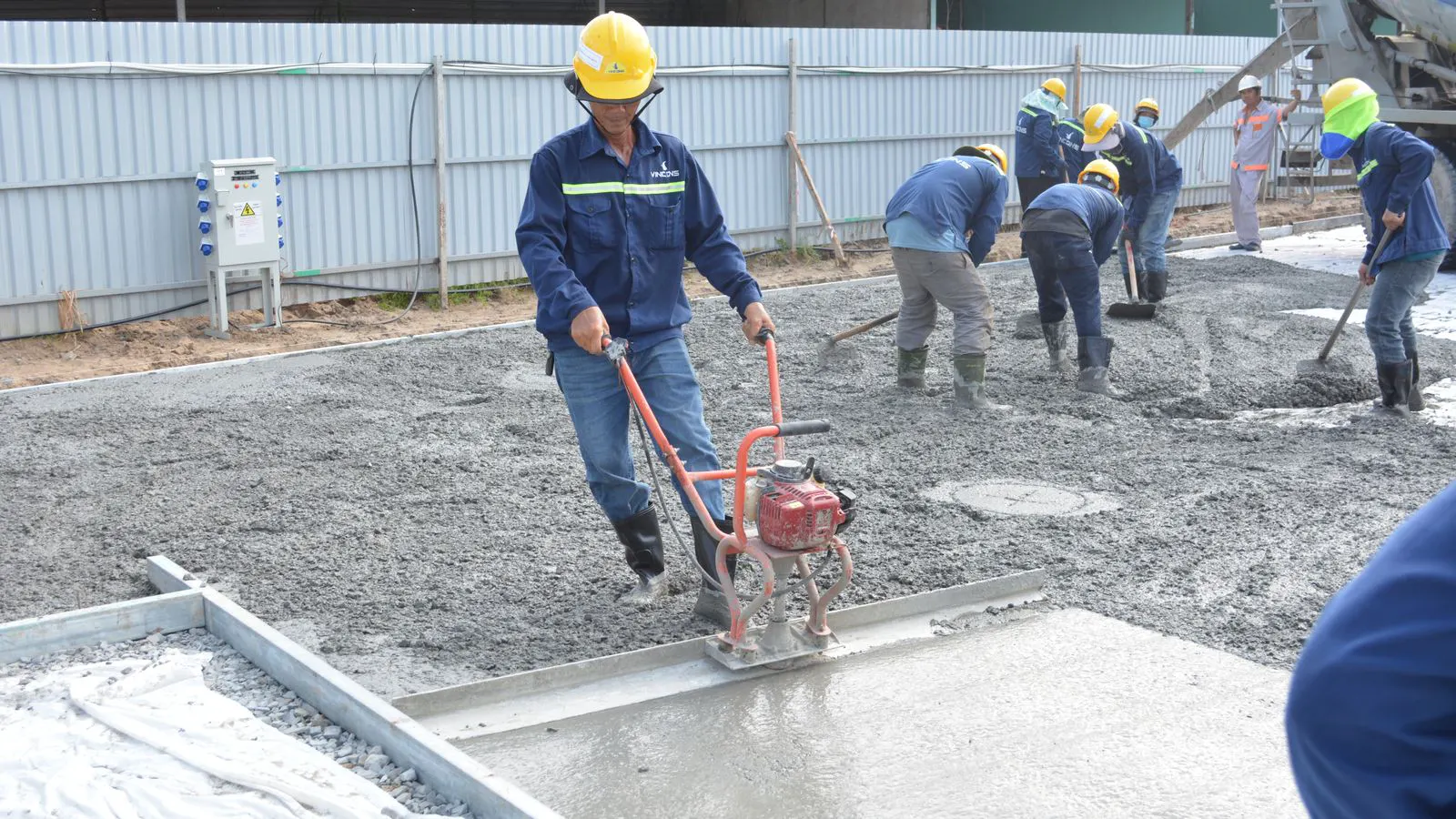
The skid must be delivered to a site with adequate floor loading. Check the floor’s load-bearing capacity. A full skid mounted genset can weigh several tons. If the floor is concrete, verify its thickness and reinforcement. Hire a structural engineer to assess the foundation if the weight exceeds standard slab capacities.
Position the unit so the operator can access the control panel and the engine can be inspected. Keep the exhaust and intake clear of obstructions. The exhaust pipe should discharge away from building openings and personnel areas. Use proper exhaust silencing to reduce noise levels in populated areas.
Commissioning involves testing the start-up sequence, transfer switch operation, and control alarms. Run the unit under load for a specified period to verify stable voltage and frequency. Document all test results in a commissioning report. This report serves as a baseline for future troubleshooting and maintenance reference.
A pre-start checklist should cover fuel level, oil level, coolant level, and battery voltage. After installation, establish a maintenance schedule. Change oil and filters at intervals recommended by the engine manufacturer. Inspect the control panel and wiring regularly. Keep spare parts on hand for critical components like fuses, sensors, and control modules.
Decision Checklist
Before signing a purchase order, confirm the following:
- Your load calculation is documented and reviewed by a qualified engineer.
- The alternator kVA and voltage match your site requirements.
- The engine duty cycle matches your operating profile.
- The skid base and enclosure meet your site conditions.
- The control panel supports your automation and monitoring needs.
- The vendor’s lead time fits your project schedule.
- The warranty terms are clear and acceptable.
- You have a plan for fuel storage and disposal.
- You have a plan for regular maintenance.
- You have verified the vendor’s installation and service support.
A skid mounted genset is a significant capital investment. The difference between a good purchase and a costly mistake often lies in the details. Take time to define your requirements, verify the vendor’s capabilities, and review the specification line by line. A well-specified unit will serve your site for years with minimal intervention.
Frequently asked questions
What is the typical lead time for a skid mounted genset?
Lead times vary based on configuration and component availability. Standard units may take several weeks. Custom configurations with long-lead components can take several months. Always confirm the timeline in writing.
Can a skid mounted genset be used for primary power?
Yes, if the engine is rated for prime duty. A backup engine is not suitable for 24/7 operation. Check the engine's service hour rating and cooling system before specifying it for primary use.
Do I need a transfer switch with a skid mounted genset?
Yes, if the genset will supply power to a building or process area. The transfer switch automatically switches to the genset when the mains fails. It must be properly sized and coordinated with the site's electrical system.
What fuel types can be used in a skid mounted genset?
Diesel is the most common fuel. Natural gas, biogas, and propane are also options, but they require different engine configurations and fuel systems. Specify the fuel type early in the procurement process.
How much clearance do I need around the genset?
Check the manufacturer's installation manual. Typical clearances allow for maintenance access and air flow. Ensure the exhaust and intake are not blocked and that the operator can reach the control panel safely.