Generator Enclosure Types Explained
Generator enclosure types define the physical housing of a set. Open frames offer direct access, skid mounted units provide factory integration, and acoustic enclosures reduce noise. The choice depends on site rules, maintenance access, and budget.
- Open frame gensets expose the engine and alternator, which simplifies service but creates high noise levels.
- Skid mounted units integrate the engine, fuel tank, and control panel on a single steel base.
- Acoustic enclosures use insulated panels to lower noise for residential or urban locations.
- The enclosure type affects transport, installation cost, and long-term maintenance access.
- Site regulations and distance to occupied buildings drive the most common enclosure selection.
Why enclosure choice matters before you specify power
The enclosure is the visible shell of a generator set. It protects the machinery, manages heat, and controls how much noise reaches the people nearby. Buyers often treat the enclosure as a cosmetic choice. That is a mistake. The physical configuration determines how the unit moves, how it is installed, and how easy it is to service.
A set without an enclosure is an open frame. A unit delivered on a welded steel base is skid mounted. A set wrapped in insulated panels is an acoustic enclosure. Each option solves a different problem. The open frame solves access. The skid solves logistics. The acoustic enclosure solves compliance and comfort.
What an open frame genset is and when to use it
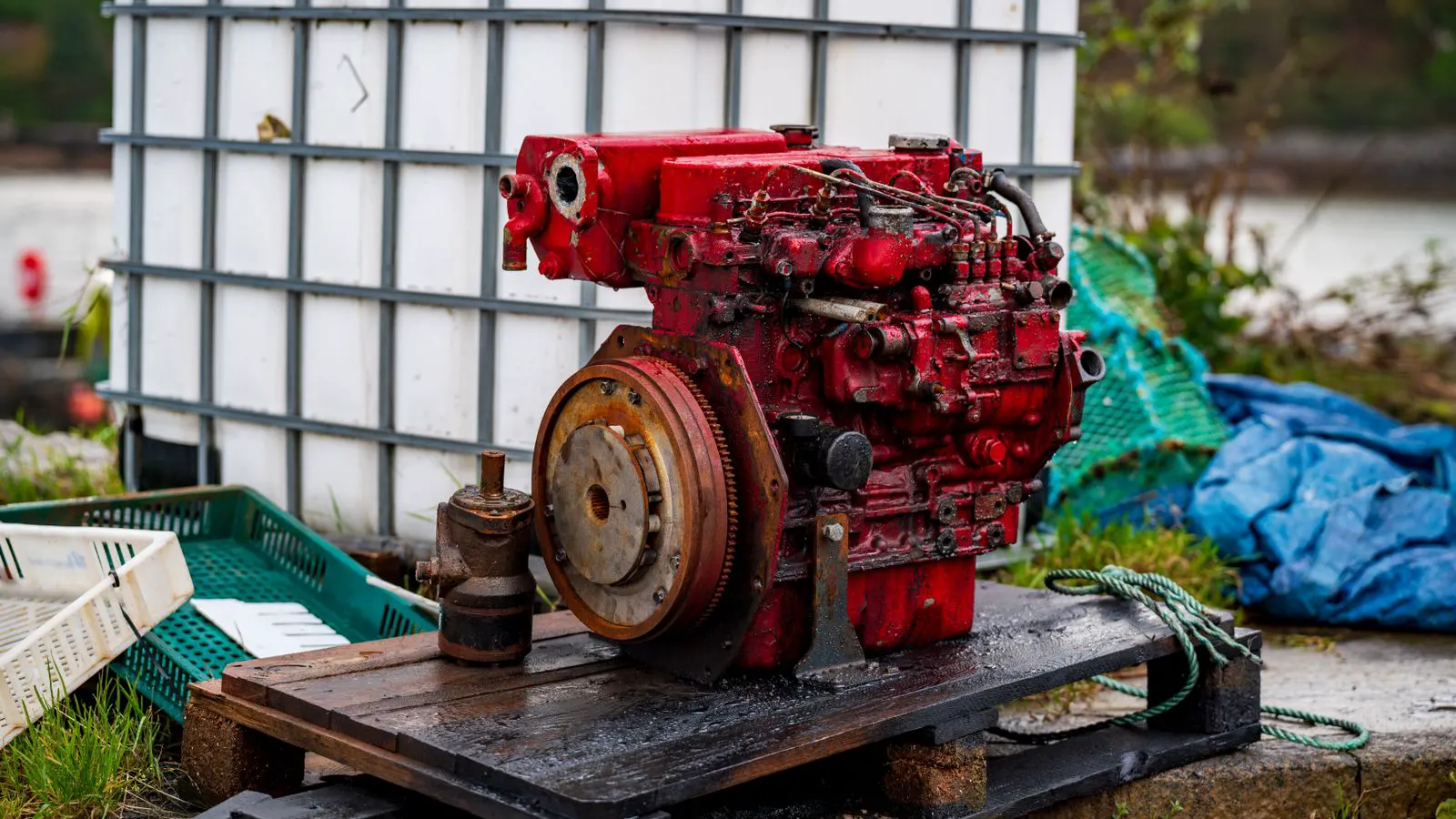
An open frame generator set has no external walls. The engine, alternator, radiators, and control panel are visible. The frame is usually a simple steel structure that supports the weight of the components. This design is common in industrial plants, construction sites, and marine applications.
The main benefit is serviceability. A technician can see the belts, hoses, and connection points immediately. There is no need to remove a door or lift a panel to inspect a fuel line. This makes open frames popular for temporary power and mobile applications.
The downside is noise. Without a barrier, the sound from the engine and exhaust travels directly into the air. This makes open frames unsuitable for areas close to homes or offices. If the site is remote, or the genset sits inside a building with heavy insulation and ventilation, an open frame works well.
How skid mounted units change the buying process
A skid mounted generator set is built on a single, rigid steel base. The engine, alternator, fuel tank, control panel, and sometimes the battery are all mounted to this base. The base includes lifting points and mounting feet. The entire assembly is treated as one unit for transport and installation.
This configuration is standard for most permanent installations. It simplifies the site work. The electrician and the generator technician work from the same base. The fuel tank is often located on the same skid, which reduces the need for external piping.
Transport is another factor. A skid mounted unit is delivered as a single package. If the unit is too heavy for a standard truck, it must be moved with a crane or a low loader. This affects the delivery cost and the site access required. A narrow doorway or a tight yard can make skid delivery difficult.
The skid also affects the electrical connection. The control panel is usually integrated into the base. This means the wiring from the generator to the switchgear is shorter and more organized. It reduces the chance of loose connections or cable damage.
What acoustic enclosures do for noise and space
An acoustic enclosure is a box built around the generator set. The panels are filled with sound-absorbing material. The walls are often made of steel or aluminum. The enclosure includes ventilation openings to allow air to flow to the engine while blocking the sound.
The goal is to reduce the noise level at the enclosure boundary. This allows the genset to be placed closer to buildings where it would not be acceptable in an open frame. It is the standard choice for hospitals, data centers, and residential communities.
The enclosure also protects the machine from weather, dust, and vandalism. It keeps the area cleaner. However, it adds cost. The panels, the sound-absorbing material, and the ventilation ducting all increase the price.
The enclosure also changes the maintenance experience. A technician must open a panel to reach the engine. This takes more time than working on an open frame. For frequent service, this is a consideration. For a unit that runs for ten years between major services, it is a minor issue.
How to compare the three enclosure types
The choice between open frame, skid mounted, and acoustic enclosure is not just about noise. It is about the whole package. The table below shows the main differences.
| Feature | Open Frame | Skid Mounted | Acoustic Enclosure |
|---|---|---|---|
| Noise Level | High | High | Low to Medium |
| Service Access | Excellent | Good | Moderate |
| Transport | Component or partial | Single unit | Single unit |
| Weather Protection | None | Minimal | High |
| Typical Use | Industrial, Mobile | Permanent, Commercial | Residential, Urban |
| Maintenance | Fast | Standard | Slower |
The noise column is the most critical for most buyers. If the genset is outdoors and near people, the open frame is rarely an option. The skid mounted unit is better than the open frame for transport, but it still has high noise. The acoustic enclosure is the only one that meets strict noise limits in many jurisdictions.
A worked example of a site decision
Imagine a small clinic that needs backup power. The building is in a suburban area. The generator will sit on a concrete pad behind the building. The nearest house is about thirty meters away.
The clinic manager wants a quiet unit. The open frame is rejected immediately. The noise would be too high for the neighbors. The clinic then looks at the skid mounted unit. It is easy to install and transport. But the noise from the skid would still be audible in the evening.
The clinic chooses an acoustic enclosure. The unit is delivered as a single box. The pad is poured with a small lip to contain the fuel. The enclosure is placed on the pad. The ventilation ducts are routed to the side of the building, away from the windows.
The result is a quiet site. The generator can start and run without disturbing the patients or the neighbors. The cost is higher than the open frame or the skid, but the clinic values the peace. The service access is slower, but the generator is only used in emergencies.
Common mistakes when specifying the enclosure
Many buyers make the same errors. They focus on the engine rating first and forget the enclosure. They order an open frame because it is cheaper, then discover that the noise complaints are worse than expected. They do not check the site access before ordering a skid. The unit arrives, but the crane cannot get into the yard.
Another mistake is ignoring the ventilation. An acoustic enclosure needs air flow. If the vents are too small, the engine overheats. If they are too large, the noise control is poor. The manufacturer should design the vents based on the engine’s heat output.
Buyers also forget the control panel. Some skid mounted units have the panel inside the acoustic enclosure. This is convenient, but it means the operator is in a hot, noisy space. Others have the panel outside on a remote cabinet. This is quieter but requires more wiring. The decision should be made during the design phase, not after the unit is delivered.
Final thoughts on matching the enclosure to the site
The enclosure is not an afterthought. It is a core part of the generator set. The open frame gives you access. The skid gives you logistics. The acoustic enclosure gives you quiet. The right choice depends on where the unit will sit, who will be nearby, and how easy you want the service to be.
Check the site plan first. Measure the distance to the nearest occupied building. Check the local noise rules. Plan the transport route. Then choose the enclosure. This order of work saves money and avoids headaches later. The generator set is a machine, but the enclosure is the interface between the machine and the site. Treat it with the same care as the engine itself.
Frequently asked questions
Can an open frame genset be put in a building?
Yes, but it requires proper ventilation and noise control. The building structure must handle the heat and exhaust.
What is the main advantage of a skid mounted unit?
It simplifies transport and installation. The engine, fuel, and controls are on one base.
Do acoustic enclosures add significant cost?
Yes, they are more expensive than open frames or basic skids. The cost covers the panels, insulation, and ventilation.
How do I know which enclosure I need?
Check the site rules and the distance to people. If noise is a concern, choose an acoustic enclosure. If access is key, choose an open frame.
Can I change the enclosure later?
It is possible but expensive. You would need to remove the unit from the skid and fit a new enclosure. It is better to choose the right enclosure at the start.