OEM Service Network vs Independent Technician: Which Is Better?
The right supplier support network depends on your fleet size, budget, and criticality. OEM channels offer genuine parts and strict protocols, while independent technicians provide flexible scheduling and lower labor rates. Mixed models often work best for large operations.
- OEM support networks provide certified technicians and genuine parts, which supports warranty compliance and long-term reliability.
- Independent technicians offer flexible scheduling and competitive labor rates, making them practical for routine maintenance.
- A mixed service network strategy allows operators to match support levels to the criticality of each generator set.
- Documenting service history is critical for transferring value and maintaining resale worth.
- Verify technician qualifications and parts sourcing before committing to any service provider.
How to Evaluate Your Current Service Network
The decision between an OEM service network and an independent technician often determines how quickly a generator returns to service after a fault. Most operators initially rely on the manufacturer’s authorized service centers because they install the equipment. As fleets expand, the cost and speed of those channels may no longer align with operational needs.
A supplier support network is more than a phone number for emergency repair. It includes parts inventory, diagnostic software access, technician certification, and warranty documentation. The structure of this network shapes your downtime risk.
Operators need to assess their current setup against three factors: the criticality of the load, the age of the gensets, and the geographic spread of the fleet. A hospital backup unit in a remote location requires a different support model than a standby unit at a regional office.
OEM Service Network: What You Get and What It Costs
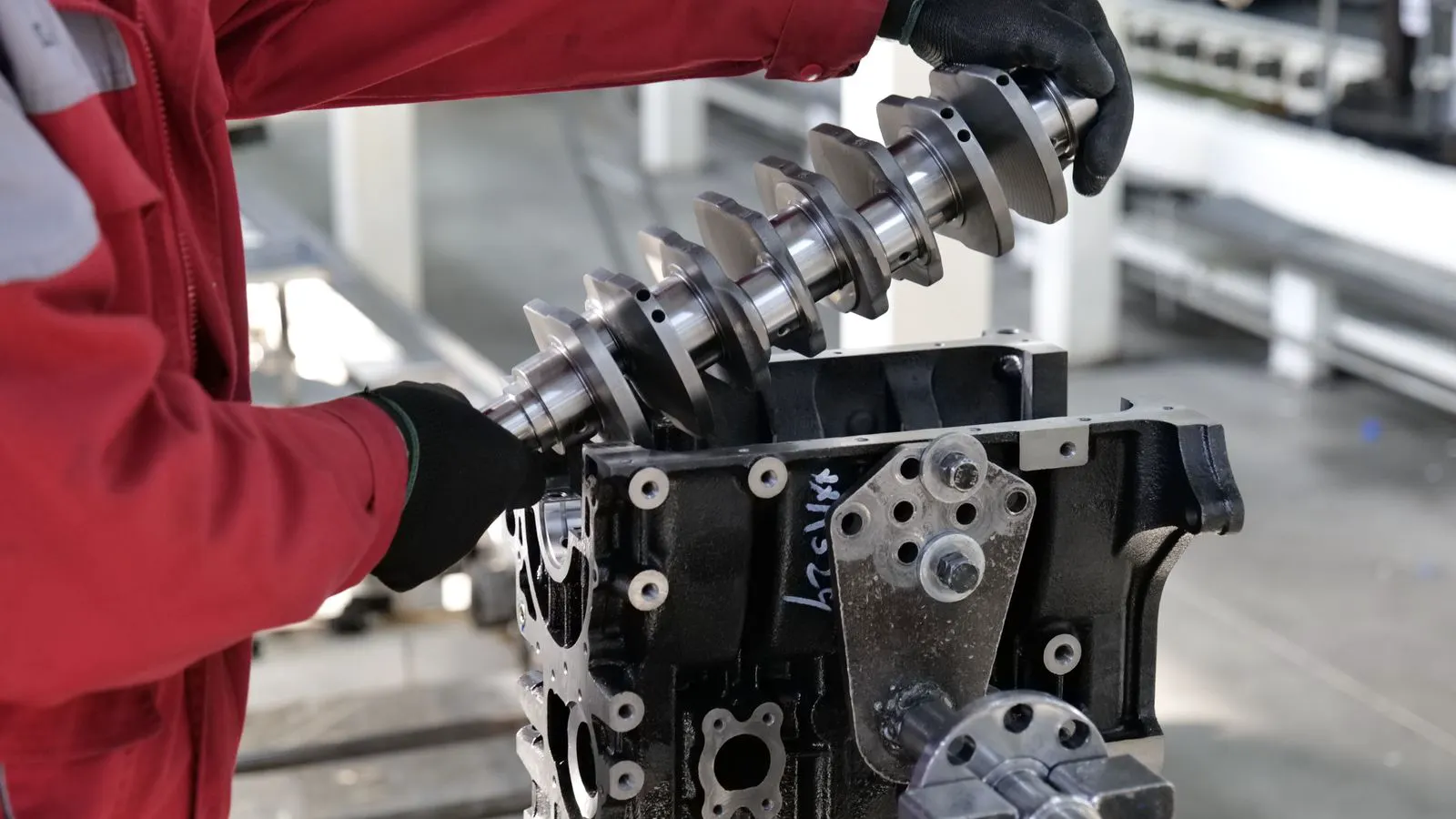
OEM service networks are built around the manufacturer’s quality standards. Technicians follow documented procedures for each model. They use original equipment manufacturer parts and often have access to proprietary diagnostic tools.
This structure offers clear advantages for warranty periods. If a genset is under warranty, the manufacturer may require service from an authorized center to keep that warranty valid. Using an independent technician during the warranty window can void coverage.
The limitations are equally clear. OEM service networks often have limited availability. In remote areas, response times can stretch to days. Labor rates are typically higher than independent shops because they cover certified training, brand-specific software licensing, and overhead.
Parts lead times can also be a constraint. While OEMs stock common components, specialized items may require direct sourcing from the factory. This can delay repairs for less common models.
The table below compares the primary approaches to maintaining a diesel generator fleet.
| Option | Best for | Limitations |
|---|---|---|
| OEM Authorized Service Center | Warranty coverage, complex diagnostics, high criticality | Higher labor costs, limited geographic reach, slower scheduling |
| Independent Diesel Technician | Routine maintenance, budget management, flexible scheduling | No warranty coverage, variable technician skill, parts sourcing risk |
| Hybrid Model | Large fleets, mixed criticality, cost optimization | Requires active management, split accountability, documentation overhead |
| Manufacturer Field Service Team | Remote sites, multi-year service contracts, critical infrastructure | Premium pricing, limited flexibility, long-term commitment |
Independent Technician: Flexibility and Cost Efficiency
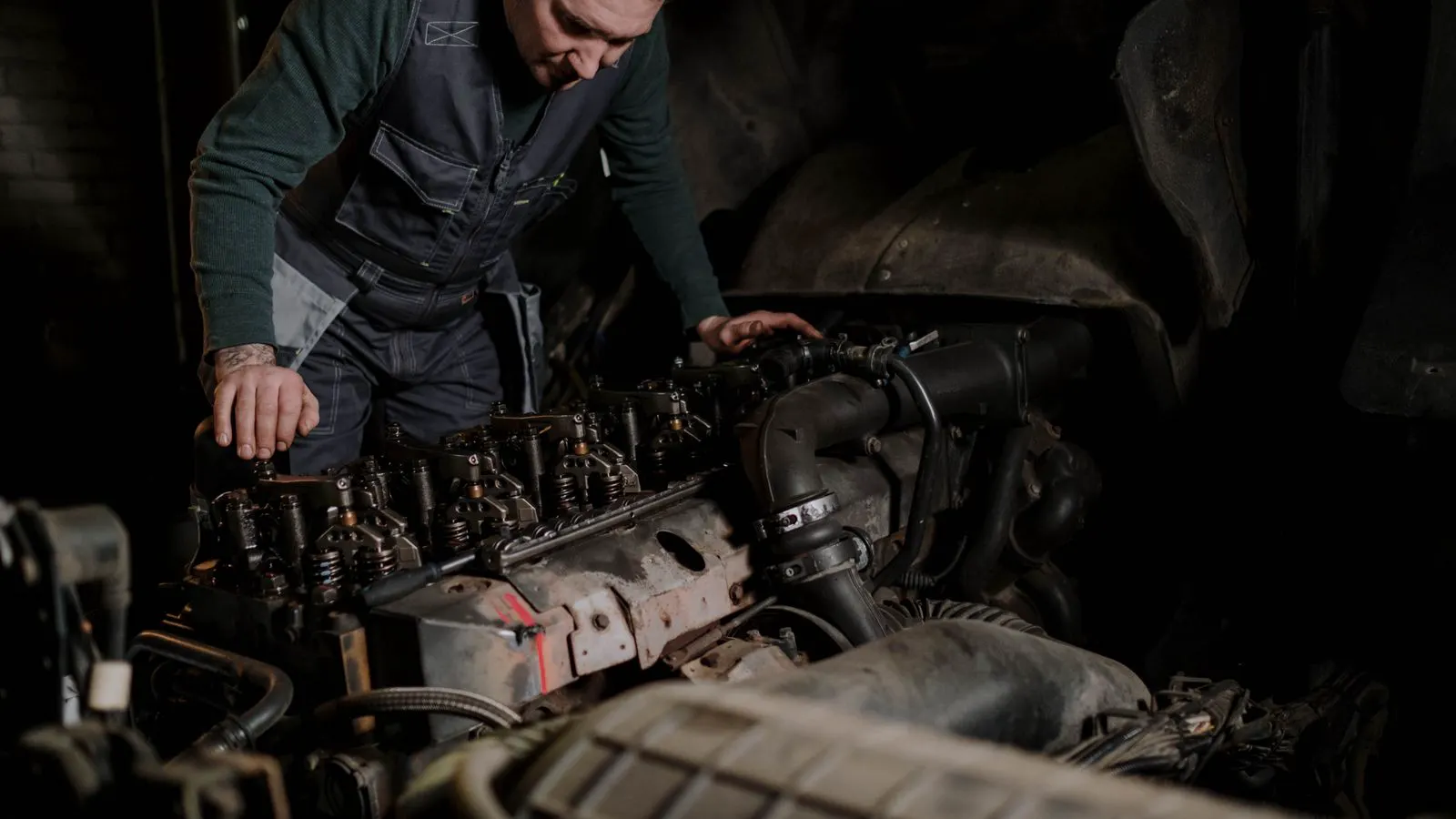
Independent technicians work across multiple brands. They often maintain smaller service vehicles with common diagnostic equipment. Their scheduling is usually more responsive because they are not bound by manufacturer service protocols.
For routine tasks, independent shops are highly effective. Annual oil changes, coolant flushing, filter replacement, and battery testing require standard procedures. An experienced diesel technician can perform these tasks efficiently.
The risk profile is different. An independent shop may source aftermarket parts. For many components, aftermarket parts meet OEM specifications. For others, such as control modules or fuel pumps, the distinction matters. Buying an aftermarket control module for a complex genset controller can introduce compatibility issues.
You must verify the technician’s qualifications. Ask for records of training. Check whether they use manufacturer-approved diagnostic software. A generic scanner may not access the deep fault codes on a modern genset controller.
When to Choose a Mixed Service Network Strategy
Most B2B buyers eventually move toward a mixed model. This approach assigns critical generators to OEM or manufacturer field service teams and routine units to independent technicians.
The first step is to segment your fleet. Identify which units provide life safety power. These units warrant the highest level of support. Next, group standby units that protect revenue-generating operations. Finally, classify non-critical units that can tolerate longer repair times.
For the life safety group, a manufacturer field service contract is the standard. For the revenue group, a hybrid model works well. Use an independent technician for scheduled maintenance and an OEM center for complex diagnostics. For the non-critical group, use an independent shop for all service.
This model requires strict documentation. Each service event must be recorded in a central log. The log should include the date, technician name, parts replaced, labor hours, and diagnostic findings. This record supports warranty claims and resale value.
Parts Sourcing and the Warranty Question
The supplier support network is inseparable from parts sourcing. OEM networks supply genuine parts. Independent shops may mix genuine and aftermarket components.
The distinction is not always about quality. It is about traceability and compatibility. A genuine part has a serial number that links it to the specific genset. An aftermarket part may not have that traceability.
When a control module fails, the part is not a simple swap. It must be programmed to the genset. OEM service centers have the programming tools. Independent shops may lack this capability. If the technician cannot program the module, the part remains useless.
Review your warranty terms carefully. Many warranties exclude damage caused by unauthorized service. Some warranties include a clause that allows service from any qualified provider, but the buyer assumes responsibility for any resulting issues.
Building a Service Network You Can Manage
A service network is only as good as the management around it. Start with a service contract that defines response times, parts availability, and reporting requirements.
For OEM contracts, specify the response time in hours. If you need a technician on site within four hours for a critical unit, state that in the contract. For independent shops, define the scope of work and the parts they are authorized to use.
Create a single point of contact for service coordination. This person should manage the relationship with both OEM and independent providers. They should track open work orders, review invoices, and verify that service records are complete.
Periodic audits help maintain quality. Review service reports for accuracy. Check that the parts used match the specifications in your maintenance plan. If a technician skipped a torque check on the fuel lines, that should be caught in a review.
Final Evaluation Criteria
Before committing to a service model, run the options through these checks.
- Warranty status: Are the gensets under warranty? If yes, OEM service is likely mandatory.
- Criticality: Does the unit protect life safety or revenue? If yes, prioritize response time over cost.
- Geographic spread: Are the gensets in remote locations? If yes, local independent technicians may be faster than OEM dispatch.
- Parts availability: Are common parts stocked locally? If no, a supplier with local inventory saves time.
- Documentation: Do you have a system to log all service events? If no, fix that before hiring a new provider.
The right supplier support network is not a single vendor choice. It is a structure that matches the support level to the risk level of each generator. Use OEM channels where the cost of failure is highest. Use independent technicians where flexibility and cost control matter. Keep the records clean. The documentation becomes the most valuable part of your service history.
Frequently asked questions
Can I use an independent technician during the warranty period?
Check your warranty terms first. Many manufacturers require service from authorized centers to keep warranty coverage active.
What parts should I always require from a service provider?
For critical components such as control modules, fuel pumps, and alternator brushes, use genuine parts. For routine items like filters and belts, aftermarket parts can be acceptable if they meet specifications.
How do I verify an independent technician is qualified?
Ask for training records, manufacturer certifications, and references from similar projects. Check whether they use the correct diagnostic software for your genset controller.
What happens if an independent technician uses the wrong part?
The repair may fail or cause further damage. The service provider should be liable for the corrective work. Document all work and keep the removed parts.
How often should I review my service network?
Review it at least annually or when a major service event occurs. Check response times, parts lead times, and documentation quality. Adjust the model as your fleet changes.