Choosing a Genset Supplier: A B2B Procurement Guide
Selecting a reliable diesel generator supplier requires a structured review of technical specs, warranty coverage, parts availability, and service response times. This guide outlines the key criteria and checks buyers need to apply during vendor selection.
- Define technical and commercial requirements before contacting vendors.
- Verify warranty terms, parts supply, and service response in writing.
- Use a structured criteria table to compare generator vendors on consistent factors.
- Review the final decision checklist before placing the purchase order.
Define the Technical Scope Before Contacting Vendors
Procurement teams often make the first mistake by sending a vague request for a diesel generator supplier. Vendors need a clear technical brief to provide comparable quotes. The brief should specify rated capacity in kilowatts, voltage and frequency, number of phases, fuel type, ambient temperature range, altitude, and duty cycle. It must state whether the unit operates as a prime power source or a standby backup unit.
The application context drives the design. A hospital backup system requires a different configuration than a mining site generator. A hospital load may include sensitive electronics that demand low voltage variation and low harmonic distortion. A mining application may need ruggedized enclosures and remote monitoring. Without this context, vendors will default to standard configurations that may not fit the actual operating conditions.
The technical brief should also define interface requirements. These include transfer switch size, fuel storage capacity, exhaust routing, and noise limits. Noise limits are often overlooked in early specification. A generator installed near an office or residence may need an acoustic enclosure rated to a specific decibel level. The enclosure increases cost and footprint, so it belongs in the initial scope, not in a later change order.
The duty cycle determines the engine and alternator selection. A standby unit that runs for a few hours per month can use a standard engine. A prime unit that runs continuously requires a derated engine with proper cooling and fuel management. The vendor should confirm the derating curve and state the derated output in the proposal.
Evaluate Manufacturer Capability and Industry Experience
A generator vendor should demonstrate hands-on experience with similar installations. Ask for case studies that match your application type, load profile, and site conditions. The vendor should explain the specific challenges in those projects and how they resolved them. A vendor that only supplies off-the-shelf units may not understand the integration issues that arise in complex installations.
Check the manufacturer’s production capacity. If the vendor is an OEM, verify the factory’s annual output and the lead time for a comparable unit. If the vendor is a distributor or integrator, ask which manufacturer supplies the core unit and what the actual production bottleneck is. The distinction matters because distributor inventory can differ from manufacturer output.
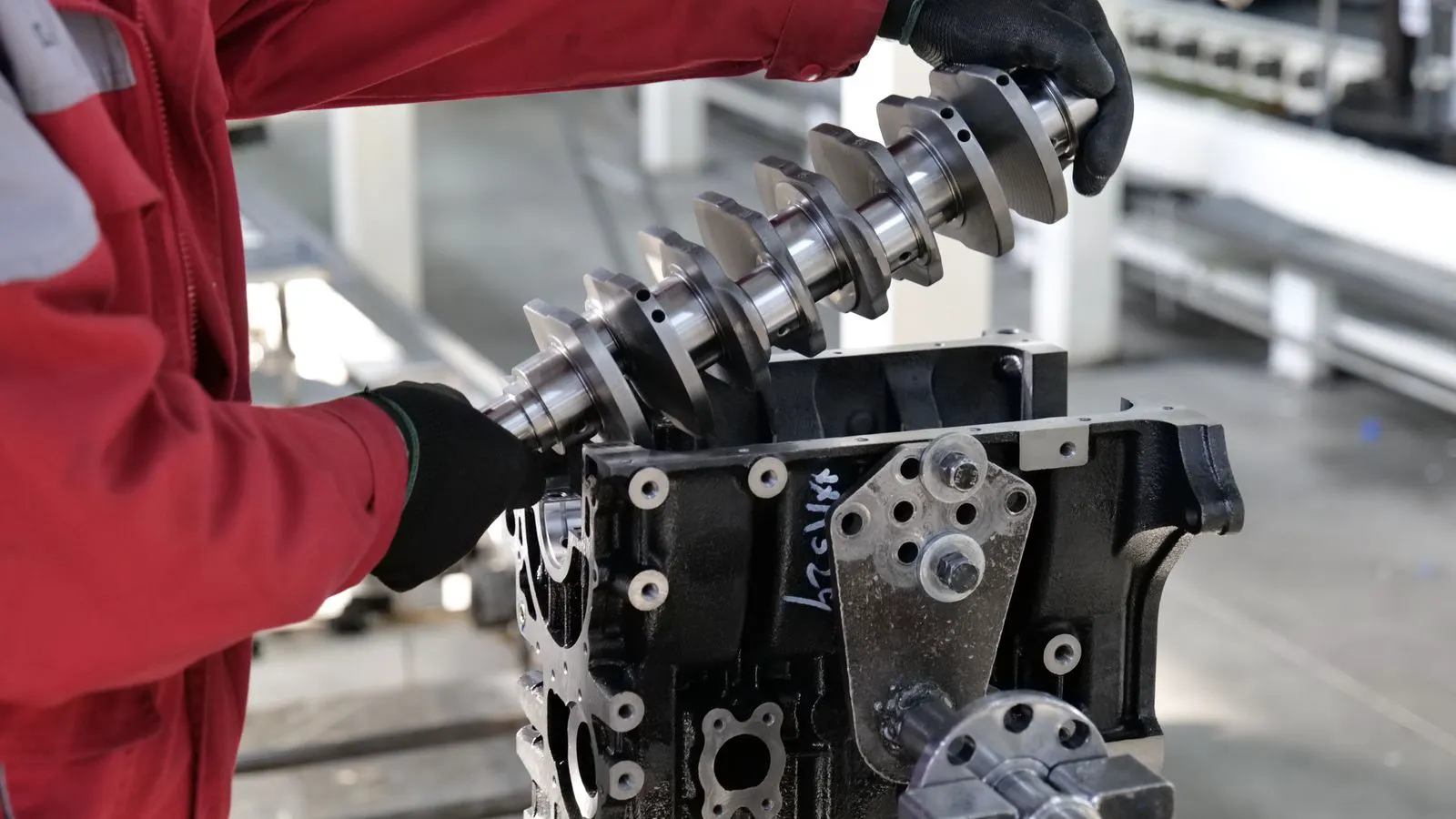
The vendor should have a documented quality control process. This includes engine dyno testing, alternator load testing, control system validation, and final assembly inspection. Ask for the test reports or the specification of the test procedure. A reputable vendor will share its testing protocol and will state what acceptance criteria are used before shipment.
Industry experience also includes familiarity with local regulations and permitting. A generator installation requires electrical permits, fire department review, and environmental compliance checks. The vendor should state its experience with these processes in your region. If the vendor has not installed a unit in your area, ask who will handle the site-specific permitting and how that responsibility is allocated.
Review Warranty Terms and Exclusions
Warranty terms are the most common source of disputes between buyers and generator vendors. Read the warranty document before signing the purchase agreement. The document should state the coverage period, what is covered, and what is excluded. A standard warranty may cover components for one to three years, but it may exclude wear items, control software, or parts affected by improper maintenance.
Pay close attention to warranty exclusions. These often include damage from fuel contamination, voltage fluctuations, operator error, or failure to follow maintenance schedules. The vendor should provide a maintenance schedule that defines the service intervals for oil, coolant, filters, and belts. If the buyer does not follow this schedule, the warranty may be void. The maintenance schedule must be realistic for the operating environment. A unit in a dusty mine environment requires more frequent filter changes than a unit in a clean indoor facility.
The warranty should state the response time for service calls. A local service provider with a guaranteed response time is more valuable than a distant vendor with a vague commitment to fix the issue. Ask for the name and contact details of the service provider. Verify that the provider is authorized to work on the specific engine and alternator brands in the proposal.
The warranty should also cover parts. A warranty that covers labor but not parts creates a gap in coverage. The buyer should confirm that genuine parts are supplied under warranty and that the vendor holds a parts inventory or has a direct supply agreement with the manufacturer. The parts lead time is a critical factor for high-availability applications.
Compare Parts Availability and Service Support
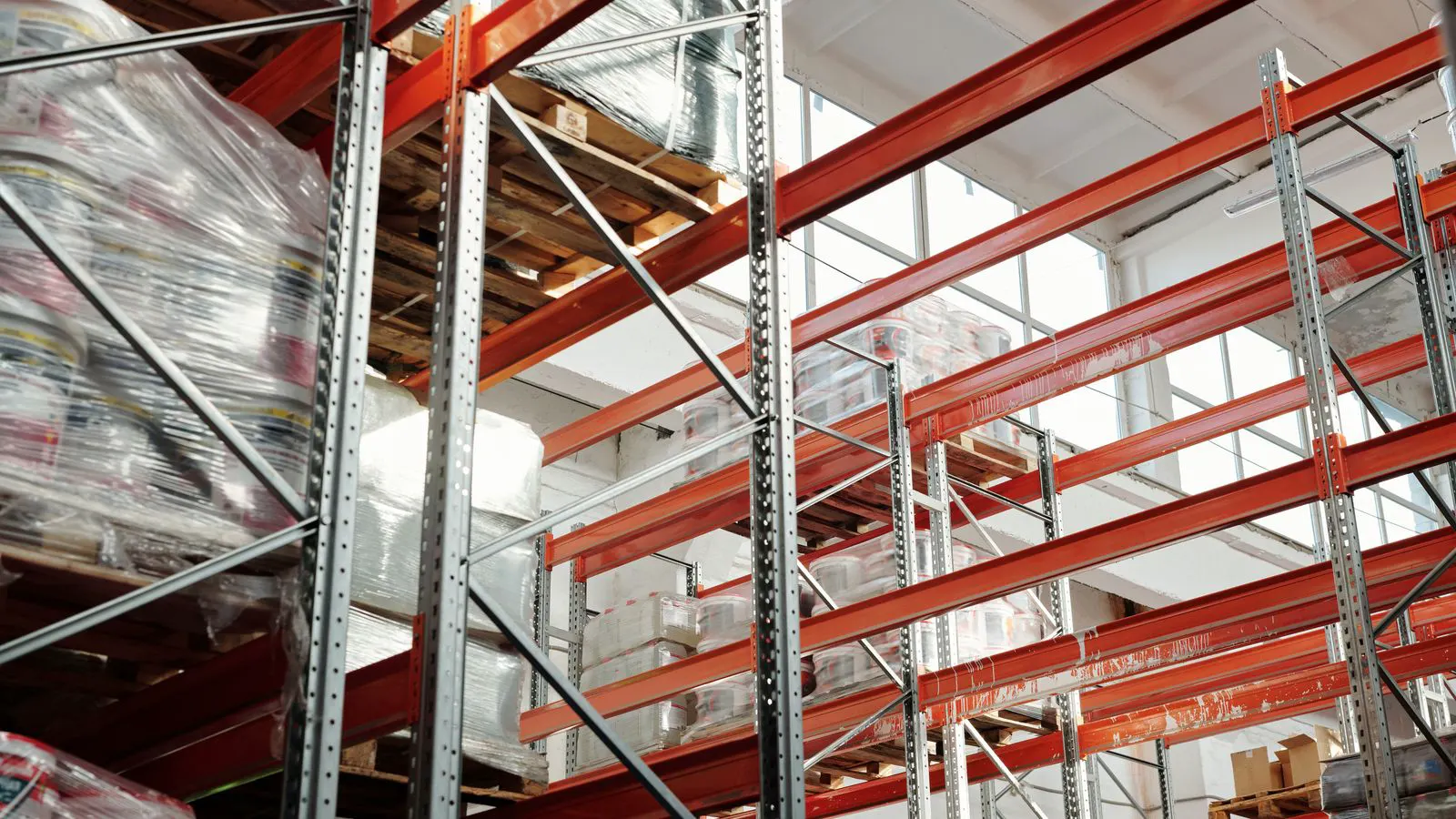
Parts availability determines how quickly a generator can return to service after a failure. A vendor with a local parts warehouse can often ship a sensor or control board within a day. A vendor that sources parts directly from the manufacturer may face a two to four week delay. For critical applications, this difference is unacceptable.
Ask the vendor for a list of common replacement parts and their lead times. This list should include filters, belts, batteries, control boards, and fuel filters. The vendor should state whether these parts are stocked locally or ordered from a central warehouse. The buyer should also ask about obsolete part supply. If the generator model is discontinued, the vendor should confirm that it will supply replacement parts for a defined period after the last production unit leaves the line.
Service support extends beyond parts. The vendor should provide a service plan that includes periodic inspections, testing, and reporting. For standby units, the service plan should include monthly or quarterly run tests to verify that the transfer switch engages and that the engine reaches operating temperature. The vendor should state who performs these tests and who interprets the results.
Remote monitoring is a common requirement for critical facilities. The vendor should specify the monitoring system, the data points collected, and the communication method. The system should alert the operator to faults such as low coolant temperature, high exhaust temperature, or failed start attempts. The vendor should state the uptime of the monitoring platform and the response protocol when an alert is generated.
Apply a Structured Vendor Comparison Process
Use a standardized evaluation method to compare multiple generator vendors. A criteria table helps eliminate bias and ensures that every vendor is assessed against the same factors. The table below shows a practical set of criteria for vendor selection.
| Criterion | What to look for | Why it matters |
|---|---|---|
| Technical Fit | Match to load profile, voltage, and duty cycle | Prevents over- or under-sizing the unit |
| Warranty Terms | Coverage period, exclusions, and response time | Defines the financial and operational risk |
| Parts Availability | Local stock, lead times, and obsolete part supply | Determines downtime after a failure |
| Service Capability | Authorized technicians, response time, and service plan | Ensures reliable maintenance and fast repairs |
| Financial Terms | Payment schedule, warranty deposits, and total cost of ownership | Affects cash flow and long-term budgeting |
| References | Similar installations and customer feedback | Validates real-world performance and support |
The process should begin with a request for quotation that includes the technical brief, site conditions, and commercial terms. The vendor should provide a detailed proposal that lists the make and model of the engine and alternator, the control system, and the accessories. The proposal should state the lead time for delivery and installation. The buyer should compare the proposals line by line, not just by total price.
The buyer should also evaluate the vendor’s financial stability. A vendor that is struggling financially may have difficulty supporting the unit after delivery. Ask for a balance sheet or a credit reference from the vendor’s bank. The vendor should provide a clear organizational structure that shows who is responsible for the project, the service plan, and the warranty.
The selection meeting should focus on the risks and the mitigation plans. Ask the vendor to state the top three risks for the project and how it will manage them. This reveals the vendor’s understanding of the application. A strong vendor will identify risks such as long lead times, site access constraints, or integration with existing electrical systems.
Final Decision Checklist
Use the following checklist before placing the purchase order with a diesel generator supplier.
- Confirm the technical specification matches the application requirements.
- Verify that the warranty document is attached to the contract.
- Check the warranty exclusions and confirm that they are acceptable.
- Confirm the parts inventory and lead times for critical components.
- Verify the service provider’s authorization and response time.
- Review the total cost of ownership, including installation and maintenance.
- Confirm the delivery schedule and the installation plan.
- Request references from at least two similar installations.
- Check the vendor’s financial standing and organizational structure.
- Ensure that all commercial terms are stated in the final contract.
The final decision should be based on the total value of the relationship, not just the initial price. A slightly higher upfront cost can be justified if the vendor offers better parts availability, faster service response, and a clearer warranty. The buyer should document the decision and the rationale for each major criterion. This record helps in future maintenance planning and in resolving any disputes that may arise during the warranty period.
The supplier selection process is a one-time evaluation, but the relationship continues for the life of the generator. Choose a vendor that is prepared to support the unit through multiple maintenance cycles and potential upgrades. The quality of that support will determine the long-term reliability of the power system.
Frequently asked questions
How do I verify a generator vendor's parts availability?
Ask the vendor to provide a list of common replacement parts and their current lead times. Request confirmation of whether the parts are stocked locally or ordered from a central warehouse, and ask about the policy for obsolete parts after the model is discontinued.
What should I include in the technical brief before contacting vendors?
Include the rated capacity, voltage, frequency, number of phases, fuel type, ambient temperature, altitude, duty cycle, and interface requirements. The brief should also state noise limits and fuel storage capacity to ensure the proposal matches the site conditions.
How long is a standard generator warranty?
Warranty periods vary by manufacturer and application, but coverage for components typically ranges from one to three years. The buyer should review the specific warranty document to understand the coverage period and the exclusions that may limit the protection.
What is the difference between a generator vendor and a manufacturer?
A manufacturer designs and produces the generator unit. A vendor can be the manufacturer or a distributor and integrator that supplies the unit and handles installation and service. The buyer should confirm which role the vendor plays and who is responsible for each part of the project.
How do I handle warranty exclusions that seem too broad?
Review each exclusion and determine if it is a standard industry term or a risk that can be negotiated. If an exclusion creates a significant gap, ask the vendor to clarify the maintenance requirements that must be met to keep the warranty valid.