Cost and Lead Time for OEM vs Aftermarket Parts
OEM parts ensure compatibility but often carry higher service cost and longer parts lead time. Aftermarket options reduce expense and speed up delivery. A structured comparison helps buyers align parts sourcing with uptime goals and budget constraints.
- OEM parts usually offer stronger warranty alignment but can increase service cost and extend lead time.
- Aftermarket parts often shorten parts lead time and lower service cost, though fit and quality vary.
- A clear RFQ with part numbers, engine hours, and downtime targets makes quote comparison easier.
- Compare total landed cost, not just unit price.
- Track supplier performance to adjust your sourcing strategy.
How OEM and Aftermarket Parts Differ in Price and Delivery
Diesel generators fail when a single component stops working. The cost of downtime can quickly exceed the price of the replacement part. When a service provider evaluates a repair, the sourcing strategy for that part shapes the final invoice and the date the machine returns to service.
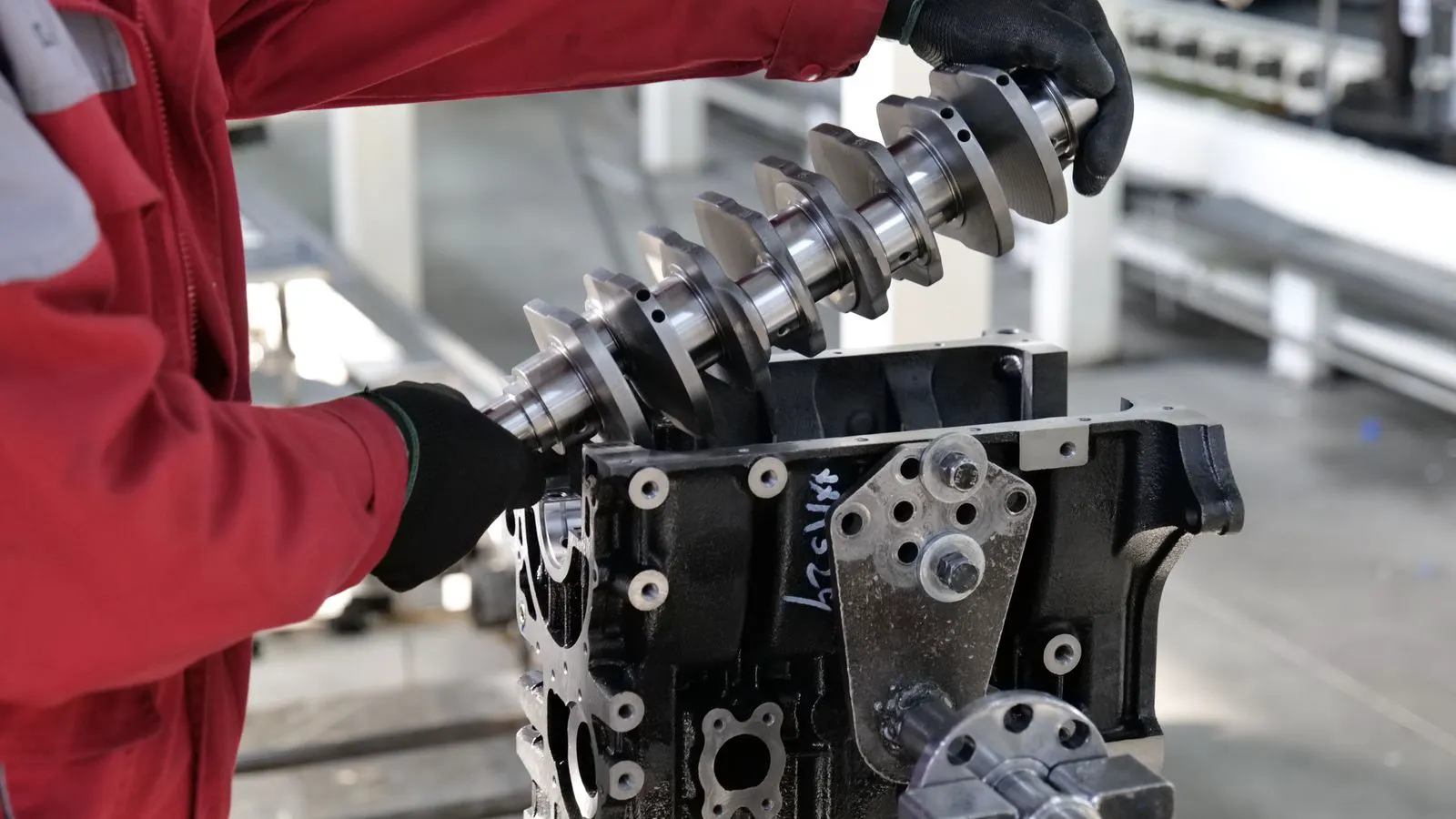
OEM parts are supplied by the manufacturer that built the generator or engine. They are produced to the original specifications and usually carry the strongest warranty position. Aftermarket parts are made by third parties. They may use similar materials and processes, but tolerances, coatings, and quality controls can differ from the original equipment.
The trade-off is usually between price and certainty. OEM parts tend to command a premium. That premium buys documented compatibility and easier warranty claims. Aftermarket parts often cost less. They may also ship faster because multiple suppliers compete on the same item. The right choice depends on the criticality of the asset and the structure of the service contract.
What Drives the Final Parts Cost
The sticker price on a generator component is only part of the financial picture. Several factors move the total cost of ownership for a repair.
A table of the main cost drivers helps organize the comparison.
| Cost Driver | How It Affects Pricing |
|---|---|
| Part Number and Engine Model | Rare or obsolete components cost more than common items. |
| Supplier Category | OEM suppliers often price higher than independent aftermarket vendors. |
| Material and Finish | High-performance coatings or alloy materials raise the unit price. |
| Quantity and Contract | Bulk orders and standing service agreements can reduce per-unit cost. |
| Logistics and Freight | Remote sites and air freight add significant landed cost. |
| Labor and Certification | Specialized installation or testing can increase the service cost. |
The engine model matters more than many buyers expect. A common alternator may be in stock at multiple suppliers. A specific control module for an older engine may have only one source. That scarcity changes the pricing power of the supplier.
Material quality also moves the number. A fuel injector, for example, depends on the precision of the nozzle. A cheaper aftermarket version may save money upfront but fail sooner under load. The service provider must weigh the immediate saving against the risk of another failure.
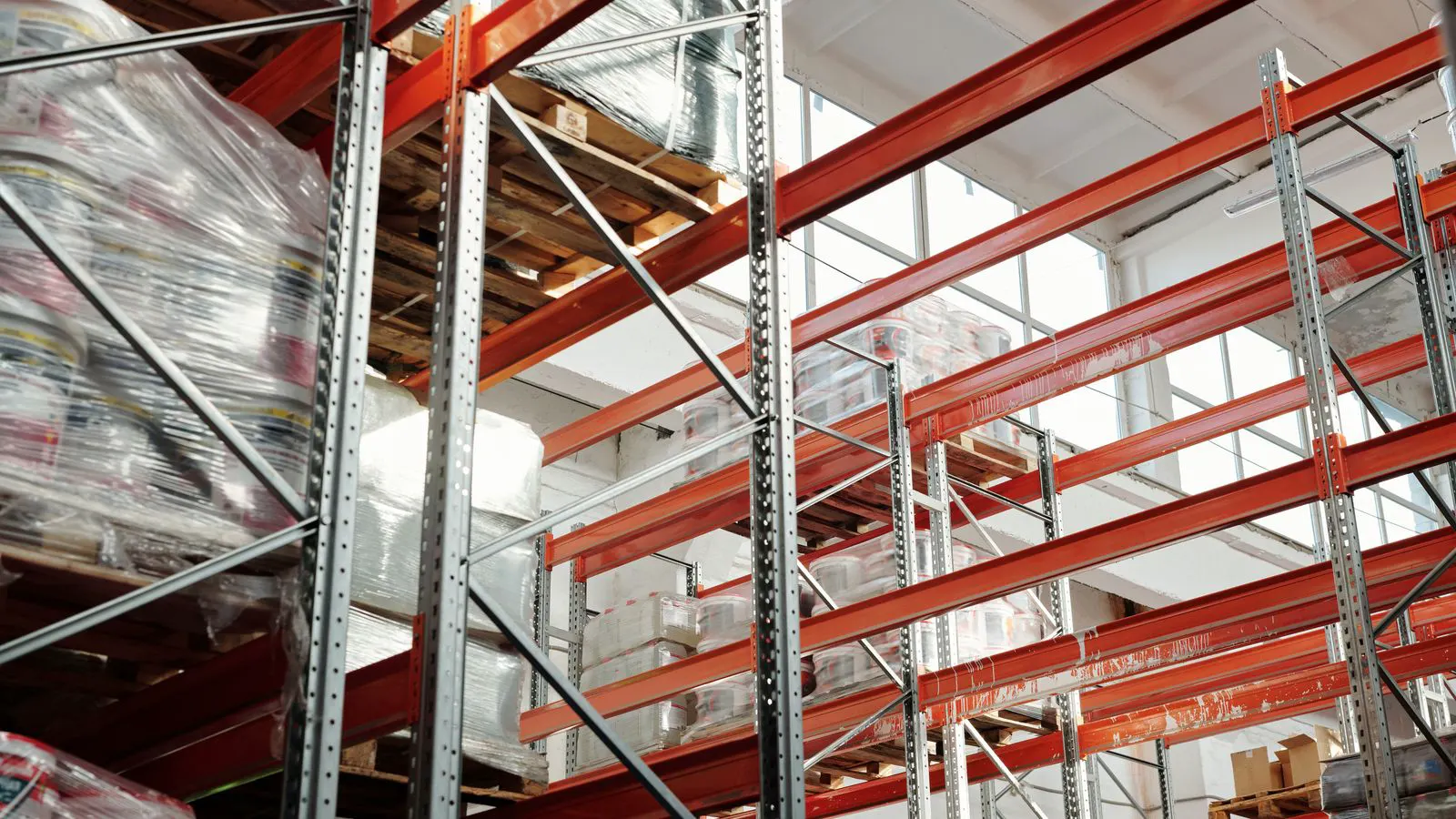
Logistics are rarely free. If the generator is in a remote location, the cost of getting the part there can exceed the part itself. Air freight is faster but expensive. Sea freight is cheaper but slow. The parts lead time must be measured from the moment the part leaves the supplier’s warehouse, not from the date the customer places the order.
How Lead Time Changes the Business Case
Parts lead time is the gap between a failure or a scheduled maintenance date and the arrival of a replacement component. A short lead time reduces downtime. A long lead time forces the owner to keep spares on hand or accept a longer outage.
OEM parts can be slower for two reasons. First, the manufacturer may need to produce or source the item. Second, distribution may be centralized in a specific region. If the generator is far from the primary hub, transit time adds days to the total.
Aftermarket suppliers often hold inventory of common components. A filter, belt, or relay may be ready to ship immediately. This speed is valuable during an unplanned failure. However, if the part is specialized, the aftermarket supplier may also need to manufacture or source it. The lead time then mirrors the OEM route.
The business case shifts when the generator is part of a critical load. A backup system for a hospital or data center cannot afford a five-day wait. In that context, a higher service cost for faster delivery is justified. For a non-critical application, a longer parts lead time may be acceptable if the price savings offset the risk.
How to Write a Clear RFQ for Parts
A Request for Quotation is the document that turns a vague comparison into a fair one. Weak RFQs produce weak quotes. They leave too much room for interpretation and hide the true cost.
A strong RFQ includes the following details:
- Part number or full description.
- Engine model, serial number, and hour meter reading.
- Application details, such as the type of generator set.
- Required delivery date and location.
- Warranty terms and compliance requirements.
- Request for total landed cost, including freight and duties.
The hour meter reading is often missing from RFQs. It matters because it helps the supplier assess wear and compatibility. A part that fits a low-hour engine may not be appropriate for a high-hour unit that has seen heavy duty cycles.
The delivery date should be a target date, not just a request. If the generator is down, the date is urgent. If the part is for a scheduled overhaul, the date is flexible. The supplier needs to know which scenario applies so they can allocate resources correctly.
Asking for total landed cost prevents surprise charges later. A low unit price looks attractive until the invoice arrives with freight, handling, and documentation fees. The generator service provider needs the full number to compare options and plan the budget.
How to Compare Quotes Fairly
Comparing quotes is easy when the items are identical. It becomes difficult when suppliers offer different terms, materials, or delivery windows. The goal is to compare like with like.
Look at the total cost of the repair, not just the part. Labor, testing, and any required calibration should be included in the comparison. A cheaper part that requires extra labor to fit will cost more in the end.
Delivery speed must be valued against the cost of downtime. If the generator is a backup system, the value of one day of uptime may exceed the price difference between two quotes. Calculate the cost of the outage per day. Then compare the quotes against that figure.
Warranty terms are part of the price. A part with a one-year warranty and a part with a five-year warranty are not the same product. The longer warranty reduces the risk of a repeat failure. It should be reflected in the total cost model.
Supplier reliability is also a factor. A supplier with a strong history of on-time delivery is worth more than a slightly cheaper supplier with inconsistent performance. Track lead times and fill rates over several orders. The data will show which supplier actually delivers.
When to Choose OEM and When to Choose Aftermarket
There is no single rule that applies to every repair. The choice depends on the criticality of the generator and the structure of the service contract.
OEM parts are the better fit when the warranty is still active. Using a non-OEM part can void the warranty on the engine or the entire set. It can also create documentation problems for future repairs. For critical assets, OEM parts provide a clear audit trail and the highest level of compatibility.
Aftermarket parts make sense for routine maintenance items. Filters, belts, and small sensors are high-wear components. The cost difference is significant over time. If the aftermarket part meets the same performance specifications, it is a valid choice.
The supplier relationship matters. A trusted generator service provider can help identify which parts are safe to source from aftermarket and which must remain OEM. They can also negotiate better terms with both types of suppliers. The buyer should not make this decision alone.
How to Reduce Service Cost and Parts Lead Time
Improving these two metrics usually requires a combination of planning and supplier management.
Keep a critical spares list. Identify the parts that cause the longest outages. Buy those items in small quantities and store them at the site. This removes the lead time risk for the most expensive failures.
Use multiple suppliers for common items. A primary supplier handles routine orders. A secondary supplier provides backup. This reduces the risk of a single point of failure in the supply chain.
Review the service contract annually. If the service cost is rising or lead times are slipping, renegotiate. The contract should include service level agreements that define maximum response times and parts delivery windows.
Track every repair. Log the part number, supplier, cost, and days to delivery. After a year of data, the patterns become clear. Some parts are consistently overpriced. Some suppliers are consistently slow. The data supports better sourcing decisions.
Reducing service cost is not just about finding the lowest price. It is about reducing the frequency of failures and the duration of each repair. A well-maintained generator with a reliable supply chain costs less over its life than a cheap part that fails again and again.
Frequently asked questions
Do OEM parts always cost more than aftermarket parts?
Not always, but they often do. Pricing depends on demand, scarcity, and supplier strategy. A common OEM part may be priced competitively, while a rare aftermarket part may carry a premium.
How long does it take to get a replacement generator part?
It varies widely. Common parts may arrive in days. Specialized or obsolete components can take weeks or longer. The supplier's inventory status and the shipping method determine the parts lead time.
Can I use aftermarket parts under warranty?
It depends on the warranty terms. Many manufacturers require OEM parts to maintain warranty coverage. Always check the contract before installing a non-OEM component.
How do I know if an aftermarket part is a good fit?
Check the part number, material specifications, and dimensions. Ask the supplier for a fitment confirmation. A trusted generator service provider can verify compatibility before installation.
What is the best way to lower service cost over time?
Maintain the generator on schedule, keep critical spares on hand, and compare quotes using total landed cost. Consistent maintenance reduces major failures and keeps the service cost stable.