Diesel vs. Biodiesel: Fuel Performance and Maintenance Differences
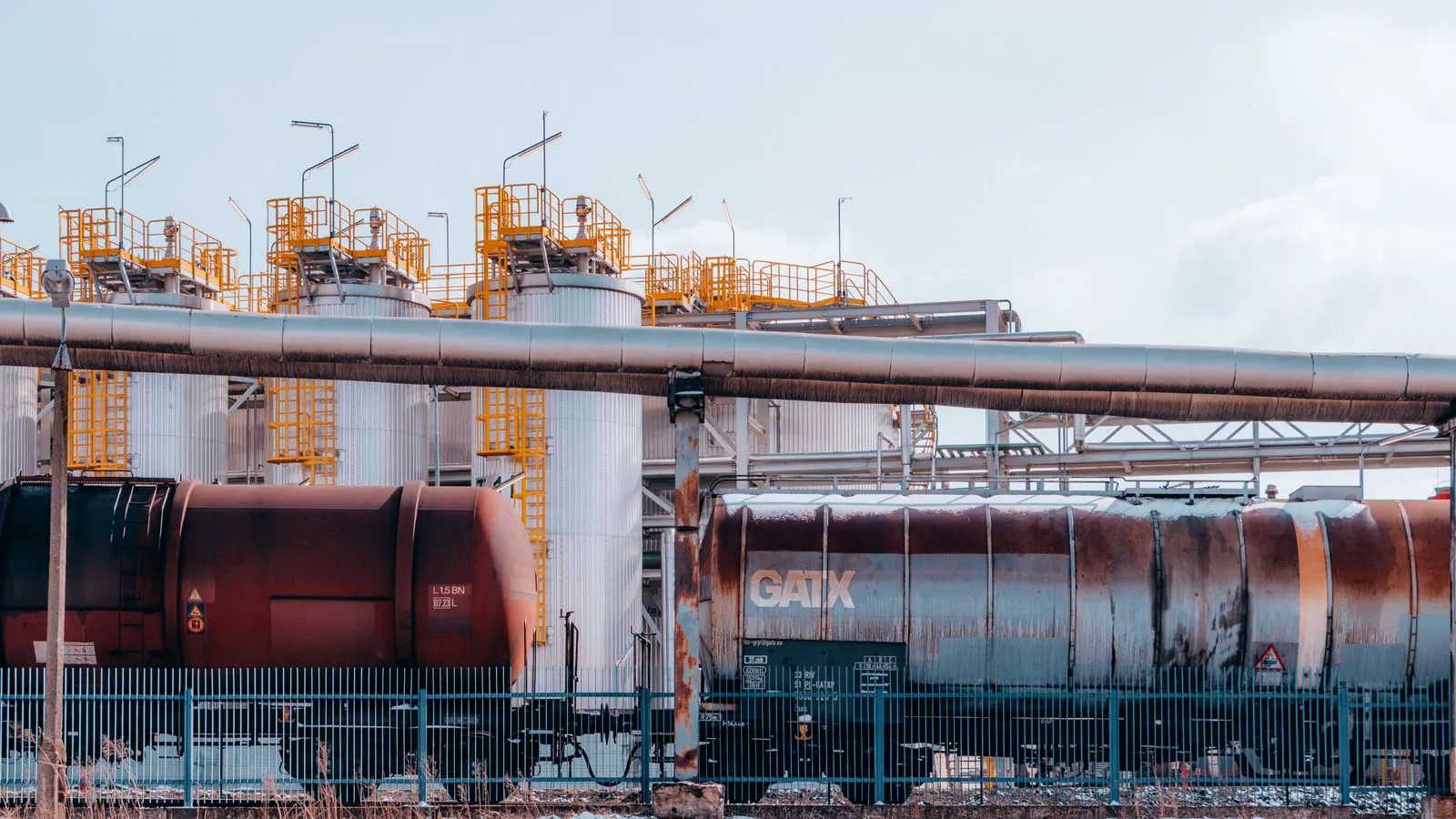
Biodiesel offers renewable benefits but demands stricter fuel quality control. Its higher water affinity and oxidation rate increase clog risk. Engineers must adjust storage and filtration to protect engine components and ensure reliable operation.
- Biodiesel absorbs more water than petroleum diesel, raising the risk of microbial growth in storage tanks.
- Fuel quality directly dictates maintenance intervals, especially for injectors, filters, and fuel lines.
- A diesel fuel stabilizer helps protect both petroleum diesel and biodiesel blends during extended storage periods.
- Switching fuel types requires updating storage practices, filtration, and inspection checklists.
- Consistent fuel quality is the primary factor in avoiding costly engine repairs.
Petroleum diesel remains the standard for most stationary power applications. Biodiesel, or B100, has gained traction as a renewable alternative, particularly in regions with strict environmental regulations. The choice between the two is rarely about engine compatibility alone. It is about how the fuel interacts with materials, storage conditions, and maintenance schedules.
Engineers evaluating a switch must look beyond the energy content. The chemical structure of biodiesel changes the failure modes of fuel systems. What works for a petroleum diesel tank may fail quickly when filled with biodiesel. This guide covers the practical differences in performance, maintenance, and storage that affect long-term reliability.
How Fuel Chemistry Changes Engine Wear
Petroleum diesel is a complex mixture of hydrocarbons. It is relatively stable and resistant to oxidation. Biodiesel is an ester produced from vegetable oils or animal fats. This chemical difference affects lubricity, energy density, and degradation pathways.
Lubricity is a key differentiator. Biodiesel provides higher lubricity than modern low-sulfur petroleum diesel. This can reduce wear on high-pressure fuel pumps and injectors. However, biodiesel is more prone to oxidation over time. Oxidation creates varnish and gum deposits. These deposits clog filters and narrow fuel passages.
The energy density of biodiesel is lower than petroleum diesel. A generator running on B100 will produce less net power than the same engine on conventional diesel. Many engines are rated for specific fuel types. Running a standard engine on high concentrations of biodiesel without manufacturer approval can reduce efficiency and increase smoke.
For engines designed for blended fuels, the performance gap is often manageable. For standard petroleum diesel engines, the trade-off is significant. The wear pattern shifts from mechanical stress to chemical fouling. Maintenance teams must account for this change in failure modes when planning service intervals.
Fuel Quality and Water Management
Water is the primary enemy of biodiesel. Biodiesel has a higher affinity for water than petroleum diesel. It can absorb water from the air and from condensation in storage tanks. This water promotes microbial growth, forming a biofilm that settles at the bottom of tanks.
This biofilm is highly corrosive. It attacks metal components and degrades fuel lines. When it passes through the fuel system, it clogs filters rapidly. A fuel quality test should be performed before storage and during regular intervals.
Petroleum diesel is less susceptible to microbial growth, but water contamination still causes injector fouling and corrosion. However, the rate of degradation is slower. Biodiesel requires more frequent sampling. Engineers should implement a strict water testing protocol for any system using blends above B5.
A diesel fuel stabilizer is often used to mitigate these issues. Stabilizers inhibit oxidation and microbial growth. They extend the shelf life of the fuel. For biodiesel, a stabilizer is more critical because the fuel degrades faster. For petroleum diesel, it helps during long storage periods.
Storage Requirements and Tank Compatibility
Tank materials matter. Rubber fuel lines and seals are generally compatible with biodiesel. However, some older polyethylene tanks may degrade over time. Metal tanks require internal coatings or liners to prevent corrosion, especially if water is present.
Petroleum diesel is compatible with most standard storage infrastructure. Biodiesel can degrade certain plastics and rubber compounds. Before switching, inspect the entire fuel path. This includes tanks, lines, filters, and the engine itself.
Temperature also plays a role. Biodiesel can gel or crystallize in cold weather. This is less of an issue for petroleum diesel. If operating in cold climates, biodiesel blends must be selected based on the local winter temperatures. Petroleum diesel has a wider temperature range for reliable flow.
Storage practices differ. Petroleum diesel can be stored in vented tanks with standard nitrogen blanketing if needed. Biodiesel tanks should be kept full to minimize air exposure and condensation. Regular tank cleaning is more frequent for biodiesel to remove microbial sediment.
Maintenance Intervals and Filter Life
Filter clogging is the most visible maintenance difference. Biodiesel clogs fuel filters faster than petroleum diesel. The varnish and microbial byproducts accumulate quickly. Engineers often see filter changes happening at half the expected interval when switching to biodiesel.
Injector maintenance also changes. While biodiesel lubricity can help, the oxidation products can still foul injectors. Precision of injection is critical for modern engines. Fouled injectors cause poor atomization, leading to increased emissions and reduced efficiency.
A numbered list of maintenance adjustments:
- Reduce the interval for primary fuel filter changes.
- Increase the frequency of water sampling.
- Inspect fuel lines for swelling or degradation.
- Check tank bottoms for sediment regularly.
- Verify injector spray patterns at each service.
These adjustments are not optional. They are necessary to maintain engine performance. Ignoring them leads to sudden fuel system failures. The cost of a new fuel pump or injector set far exceeds the cost of additional filters and testing.
Comparison of Fuel Options
| Option | Best for | Limitations |
|---|---|---|
| Petroleum Diesel | Standard engines, long-term storage, cold climates | Environmental regulations, limited renewability |
| Biodiesel B100 | Renewable energy targets, modern engines | Water sensitivity, oxidation, gel risk in cold |
| B5 Blend | Transitioning fleets, moderate climate | Requires fuel quality control, higher maintenance |
| B20 Blend | Renewable targets, moderate cold | Compatibility checks needed, higher cost |
| Diesel with Stabilizer | Long-term storage, seasonal use | Does not eliminate water or microbial risks |
Petroleum diesel remains the safest choice for standard equipment. It requires the least amount of specialized maintenance. Biodiesel offers environmental benefits but demands a higher level of vigilance. Blended fuels offer a middle ground, balancing performance and sustainability.
A diesel fuel stabilizer does not make biodiesel equivalent to petroleum diesel. It helps, but it does not remove the need for strict water control. The stabilizer extends shelf life, but it does not prevent microbial growth if water is present. It is one tool in a broader maintenance strategy.
When to Choose Each Fuel
Choose petroleum diesel when the engine is not certified for biodiesel. It is the default for most industrial applications. The maintenance schedule is predictable. Storage is straightforward. The risk of fuel-related failure is lower.
Choose biodiesel when environmental mandates require renewable energy. Ensure the engine is rated for the specific blend. Implement a strict fuel quality program. Budget for more frequent filter changes. Monitor water content closely.
Choose a B5 or B20 blend when you need a transition path. These blends offer some renewable benefit with lower risk than B100. They are a good choice for fleets that want to reduce emissions without major infrastructure changes.
A diesel fuel stabilizer is recommended for any fuel stored for more than a few weeks. It is particularly useful for seasonal generators. It helps protect the fuel from oxidation. It does not replace good storage practices, but it adds a layer of protection.
The decision ultimately depends on the operating environment and the maintenance resources available. A well-maintained biodiesel system can last as long as a petroleum diesel system. But it requires more attention. The engineer must commit to the additional checks.
Final Considerations
The switch from petroleum diesel to biodiesel is a shift in operational philosophy. It moves the focus from mechanical durability to chemical management. The engine hardware must be compatible, and the fuel system must be clean.
Fuel quality is the single most important variable. No amount of maintenance can fix poor fuel. A strict testing protocol is required. A diesel fuel stabilizer is a helpful tool, but it is not a substitute for clean fuel.
Engineers should document all fuel changes. Record the source, the blend percentage, and the date of storage. This creates a traceable history. It helps identify the root cause of any fuel-related issues.
The transition is manageable with the right approach. It requires planning, testing, and discipline. The benefits can be significant, especially for renewable energy goals. But the maintenance burden is real. Budget for it.
Choose the fuel that fits the engine and the environment. Do not force a fuel that the system was not designed for. The cost of failure is high. The cost of preparation is low.
Frequently asked questions
Can I use biodiesel in a standard diesel generator?
Only if the manufacturer certifies the engine for that specific blend. Standard engines may suffer from increased wear or reduced performance.
How often should I test biodiesel fuel quality?
Test for water and microbial growth at least monthly, or more frequently if the fuel is stored for long periods.
Is a diesel fuel stabilizer necessary for biodiesel?
It is recommended for storage, especially if the fuel will be held for more than a few weeks. It helps but does not replace water control.
How does biodiesel affect filter life?
Biodiesel clogs filters faster due to oxidation and microbial byproducts. Expect to replace them more often than with petroleum diesel.
Can I mix petroleum diesel and biodiesel?
Yes, blending is common. Follow the manufacturer's recommended blend ratios to ensure proper lubricity and compatibility.