Diesel Fuel Storage Checklist: 10 Points for Long-Term Safety
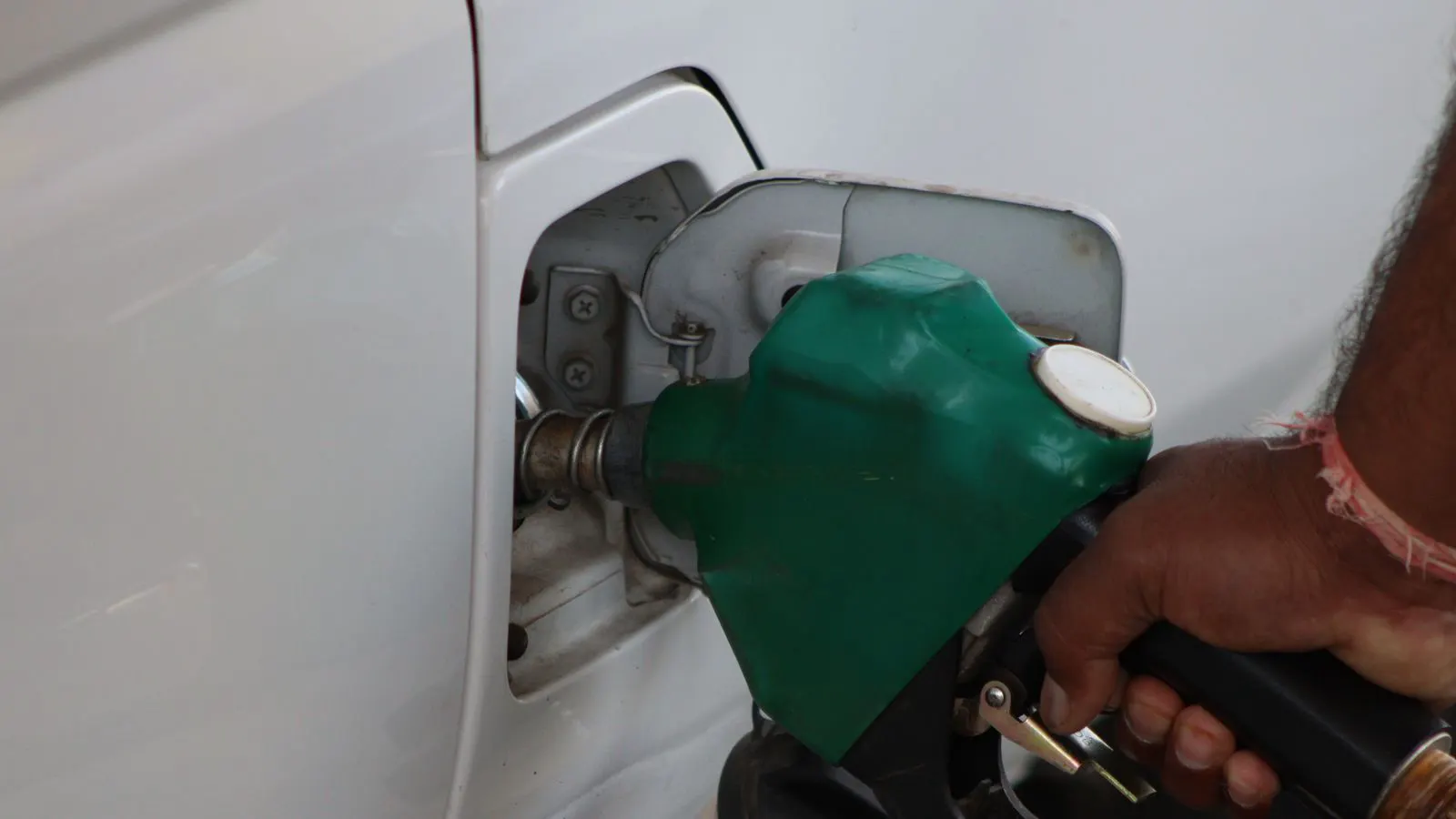
This diesel fuel storage checklist covers ten practical points for safe long-term storage. It groups fuel tank maintenance, handling, and safety checks into a copyable format for quick reference.
- Verify tank maintenance, including inspection, cleaning, and gasket replacement, before long-term storage.
- Manage diesel fuel handling with proper grounding, bonding, and spill control to prevent ignition and environmental damage.
- Monitor fuel temperature, water, and microbes to avoid degradation that clogs injectors and filters.
- Document every check and action to create a clear audit trail for compliance and future reference.
Why a Formal Diesel Fuel Storage Checklist Matters
Diesel fuel storage is not just a matter of filling a tank. It is a system of moving parts, chemical changes, and safety controls that can fail quietly. A generator that runs on contaminated fuel will stall, overheat, or damage expensive components. The failure rarely appears in a single dramatic moment. It builds through months of neglect.
This checklist is built for field technicians, site managers, and operators. It separates the work into clear themes so you can audit a site in one pass. Each item includes a red flag. If you see one, stop and investigate before returning the fuel to service.
The list is not a substitute for manufacturer instructions. It is a baseline for your own records. Keep a printed copy on the site and a digital copy in your maintenance software.
Theme One: Tank Structure and Integrity
A tank that leaks or corrodes creates immediate hazards. It risks fuel spillage, fire, and environmental damage. Structure checks must happen before any fuel is added or removed.
- Inspect the tank exterior for corrosion and deformation. Look at the top, bottom, and seams. Check for rust, pitting, or dents that indicate stress. A small dent may be cosmetic. A large deformation suggests internal damage.
- Red flag: Visible rust streaks running down the tank walls or a soft, spongy feel on the tank skin.
- Check the bottom for sediment and water. Open the bottom drain valve. Collect a sample in a clear container. Look for a dark layer at the bottom.
- Red flag: Black or brown sludge, or a distinct water line in the sample.
- Inspect the gaskets and fittings. Remove the fill cap and inspection port. Check the rubber gasket for cracks, flattening, or hardening. Examine the threads of the fill pipe and the drain valve.
- Red flag: A gasket that does not spring back when pressed, or a leak at the thread connection when the valve is tightened.
A tank that fails these checks needs cleaning and repair before it is used again. Do not top up a compromised tank. That only hides the problem.
Theme Two: Fuel Quality and Stability
Diesel fuel changes over time. Oxygen, water, and microbes interact with the fuel. These changes create sludge, clog filters, and corrode metal surfaces. Stability checks must be done at the start and end of storage periods.
- Test the fuel for water content. Use a water-separating sample or a refractometer if available. Water is the primary enemy of long-term storage. It settles at the bottom and promotes bacterial growth.
- Red flag: A milky appearance in the sample, or a distinct layer separation in the glass jar.
- Check for microbial contamination. Look for a film on the surface of the fuel or a foul odor. Microbes feed on the carbon content of diesel and create acidic byproducts.
- Red flag: A sweet or sour smell, or a black, slimy layer at the bottom of the sample.
- Verify the storage temperature. Diesel fuel degrades faster in high heat. Temperature swings also cause water to condense inside the tank.
- Red flag: A tank stored in an unshaded, unventilated area that reaches extreme temperatures.
If the fuel fails the water or microbial checks, treat it as contaminated. Do not blend it with clean fuel. Dispose of it or send it for treatment.
Theme Three: Fuel Tank Maintenance
Maintenance is proactive work. It is done to prevent failure. A tank that is not maintained will eventually fail. The goal of this theme is to extend the life of the tank and keep the fuel clean.
- Perform a full cleaning on a scheduled basis. Empty the tank completely. Remove sediment from the bottom. Rinse the interior with a suitable cleaning agent. Let it dry fully before refilling.
- Red flag: A tank that has not been cleaned in over two years, or a tank that has been used for a different fuel type.
- Replace seals and gaskets periodically. Rubber degrades over time. UV light and heat accelerate this process. A cracked gasket allows air and moisture into the tank.
- Red flag: A gasket that is stiff, cracked, or has a flattened lip.
- Inspect the tank interior for coating damage. If the tank has a protective coating, check for scratches or chips. Exposed metal corrodes.
- Red flag: A patch of bare metal visible on the tank wall, or a change in color that indicates corrosion.
Keep a log of these maintenance tasks. Note the date, the parts replaced, and the name of the person who performed the work. This log is valuable if you need to prove due diligence later.
Theme Four: Fuel Tank Handling and Safety
Handling is where accidents happen. Fuel is flammable. It is heavy. It is slippery when it spills. Proper handling controls reduce the risk of fire, injury, and environmental damage.
- Use grounding and bonding during transfer. When moving fuel from a truck or tanker to the tank, connect the grounding wire to both the source and the destination. This prevents static discharge.
- Red flag: A transfer hose without a ground clip, or a fuel truck without a bonding cable attached.
- Implement spill control. Place a spill tray or absorbent pads under the transfer point. Have a spill kit nearby.
- Red flag: No spill kit on site, or a transfer area that has visible oil stains on the ground.
- Train all personnel on emergency procedures. Everyone who touches fuel must know how to stop a leak, how to use a fire extinguisher, and how to report an incident.
- Red flag: New staff working near fuel without a safety briefing, or a missing or expired fire extinguisher.
Handling is not a one-time event. It happens every time fuel is moved. The controls must be in place before the first drop of fuel is transferred.
Theme Five: Documentation and Compliance
Records are your proof of care. If a problem arises, the records show what you did and when. They also help you spot trends. A tank that needs cleaning every year is different from one that needs it every three years.
- Maintain a fuel log. Record the date, quantity, supplier, and lot number. Note the condition of the fuel when received.
- Red flag: A log with missing entries, or a log that shows a pattern of water content increasing over time.
- Keep a maintenance history. Record all inspections, cleanings, and repairs. Include photographs of any issues found.
- Red flag: A maintenance history that is incomplete, or a history that shows the same problem recurring without a root cause analysis.
- Review local regulations. Fuel storage rules vary by location. Some areas require specific tank sizes, fire barriers, or inspection intervals.
- Red flag: A tank that does not meet local fire code requirements, or a missing inspection certificate.
Documentation is not paperwork for its own sake. It is a tool for decision making. It helps you plan maintenance, budget for repairs, and avoid fines.
Theme Six: Long-Term Storage Strategies
Long-term storage requires a different approach. The goal is to keep the fuel stable for months or years. This is common for backup generators that are not used often.
- Consider fuel stabilizers. Stabilizers slow down the oxidation process. They help keep the fuel clean and prevent microbial growth.
- Red flag: A generator that has been sitting for over six months with no stabilizer added to the fuel.
- Keep the tank full or empty. A partially full tank allows air to enter, which causes condensation. A full tank reduces the air space. An empty tank prevents water accumulation.
- Red flag: A tank that is half full and stored in a humid environment.
- Use a nitrogen blanket or a tight seal. For very long storage, a nitrogen blanket displaces oxygen. A tight seal prevents moisture ingress.
- Red flag: A tank that is not sealed properly, or a nitrogen system that is not functioning.
Long-term storage is a trade-off. The cost of stabilizers and nitrogen may be higher than the cost of replacing a generator that failed due to fuel degradation.
Theme Seven: Red Flags and Immediate Action
Some issues are not just red flags. They are emergencies. If you see any of these, stop work and take action.
| Red Flag | Immediate Action |
|---|---|
| Fuel leak at the tank or fittings | Stop transfer. Contain the spill. Repair the leak. |
| Fire or smoke near the tank | Evacuate. Activate the fire alarm. Call emergency services. |
| Heavy water in the fuel | Drain the water. Test the fuel. Do not run the generator. |
| Static discharge during transfer | Stop the transfer. Check the grounding. Restart only when safe. |
| Structural damage to the tank | Do not use the tank. Inspect it for further damage. |
These actions are non-negotiable. They protect people, equipment, and the environment. Do not hesitate. Do not try to fix a major leak with a temporary patch. Get it done properly.
Final Thoughts
This diesel fuel storage checklist is a starting point. It covers the core areas of safety, maintenance, and handling. Use it to audit your site. Use it to train your team. Use it to keep your records.
The goal is simple. Keep the fuel clean. Keep the tank sound. Keep the people safe. If you do that, your generator will run when you need it. If you do not, it will fail when you least expect it.
Keep this checklist in your toolbox. Review it every quarter. Update it as you learn. The fuel will not wait for you to get it right.
Frequently asked questions
How often should I inspect my diesel fuel storage tank?
Inspect the tank at least every six months. Increase the frequency if you store fuel in harsh conditions or if the tank is older.
Can I store diesel fuel indefinitely?
No. Diesel fuel degrades over time. Without stabilizers or proper storage, it will separate and become contaminated within months.
What is the best way to prevent water in my diesel fuel?
Keep the tank full or empty. Use a tight seal. Drain the water from the bottom of the tank regularly.
Do I need a spill kit for fuel storage?
Yes. A spill kit is required in most locations. It allows you to contain small spills quickly and prevent environmental damage.
How do I know if my diesel fuel is contaminated?
Check for water, microbial growth, and sludge. A milky appearance, a foul odor, or a dark layer at the bottom of the sample are clear signs of contamination.