Open Frame vs Skid Genset: Maintenance Access
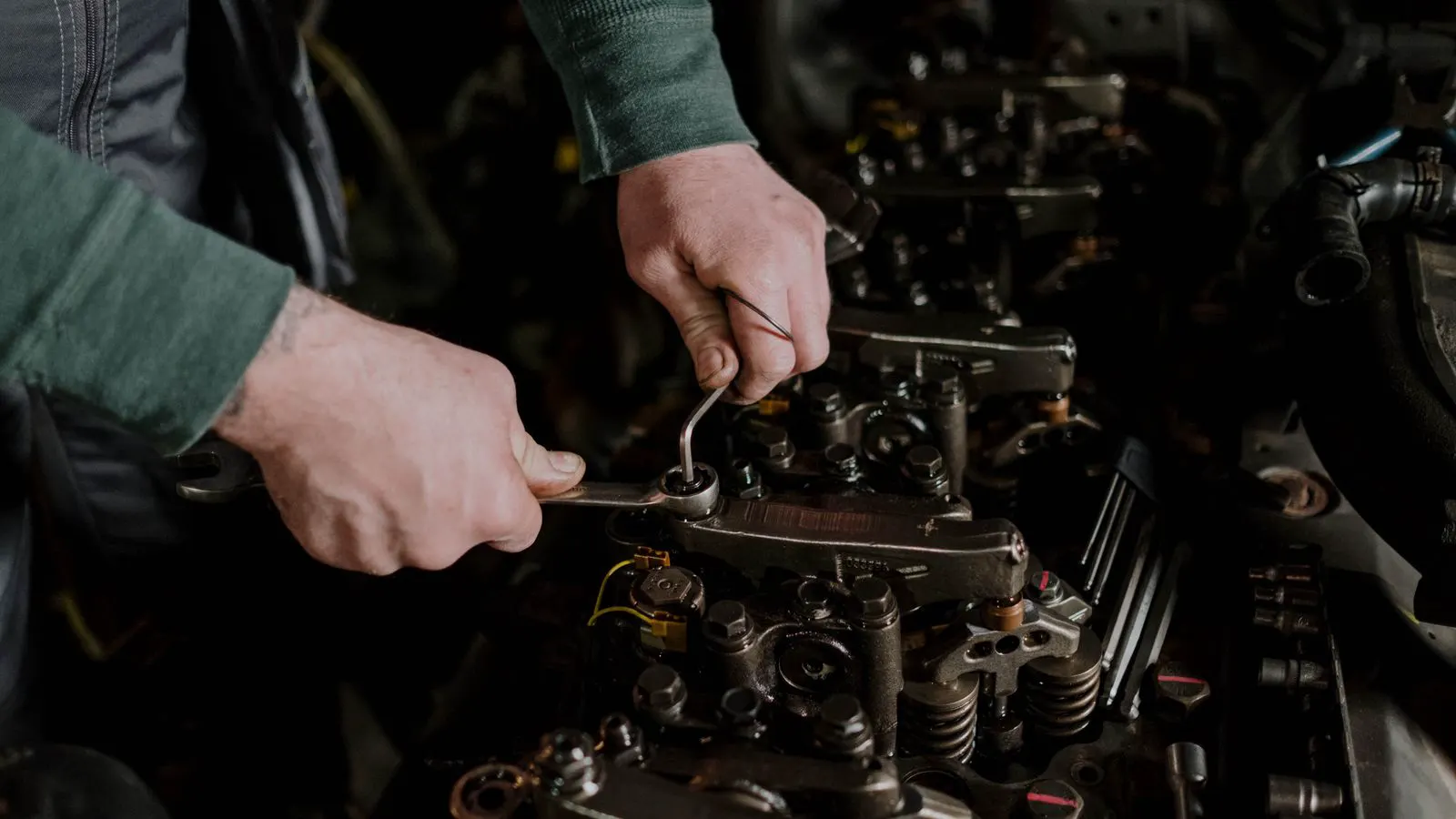
Open frame gensets offer direct physical access to all components, while skid units provide protected, organized layouts. The choice depends on site constraints, service intervals, and the specific maintenance tasks your team handles.
- Open frame designs prioritize tool reach over weather protection, making them faster to service in open environments.
- Skid gensets protect internal parts from dust and rain but require removal of panels and guards for deep maintenance.
- Service accessibility dictates which layout matches your team's workflow, facility space, and long-term operating costs.
- The generator set layout comparison should always include the location of the air filter, control panel, and exhaust system.
- Foundation load and site exposure should be reviewed before finalizing the frame or skid choice.
Why Maintenance Access Drives Long-Term Genset Ownership
The difference between an open frame and a skid mounted genset is not just cosmetic. It defines how often your technicians can reach the engine oil drain, the battery terminals, and the control cabinet during routine inspections. A poorly chosen layout slows down scheduled servicing and increases the risk of minor faults becoming major breakdowns.
Buyers often view the open frame as a budget option and the skid unit as a premium package. In practice, the decision is about service efficiency. If your team performs monthly checks in a secure, indoor plant, a skid unit keeps the area clean and organized. If the unit sits on an exposed rooftop or in a busy yard, the open frame lets technicians work without moving heavy protective panels.
This comparison focuses on the physical layout of the generator set. It examines how the frame, skid, and internal component placement affect tool access, cleaning, and the speed of common repairs.
How the Two Layouts Differ Structurally
An open frame genset uses a steel frame with exposed engine, alternator, and radiator. The components are mounted directly to the frame rails. There are no large side panels or a full enclosure. The layout is linear, which makes it easy to see the entire powertrain from the outside.
A skid genset mounts the same core components on a welded steel base that acts as a platform. This base typically includes cross bracing, mounting feet, and often a protective enclosure or partial shielding. The components are arranged to fit within the skid footprint, which can change the position of the exhaust, fuel tank, and control panel compared to an open frame.
The structural difference creates a direct impact on service accessibility. In an open frame, a technician can stand next to the unit and work on the engine without removing any barriers. In a skid unit, the technician may need to lift a top panel, remove side doors, or work around the skid frame to reach the same parts.
The skid design also often integrates the fuel tank and control cabinet more tightly into the base structure. This improves the unit’s stability and reduces the chance of loose components shifting during transport. However, it means that accessing the fuel lines or the control panel wiring may require more disassembly.
Service Accessibility for Routine and Major Tasks
Routine maintenance on a diesel generator usually involves checking oil levels, inspecting air filters, testing battery voltage, and examining the cooling system. The open frame makes these tasks quick. The technician can open the oil dip tube, clean the air filter housing, and check the radiator fins without moving any protective structures.
On a skid genset, the same tasks require more steps. The technician must open the side access door or remove the top cover. If the skid includes a full enclosure, the door may be heavy or require a specific latch mechanism. This adds time to every service visit.
Major maintenance tasks, such as replacing a fuel filter, changing the coolant, or inspecting the exhaust manifold, show a larger gap between the two designs. In an open frame, the technician can work on the engine block directly. The exhaust header is usually accessible from the top or the side without removing structural elements.
In a skid unit, the exhaust system is often routed through the skid frame or behind the control panel. Reaching the exhaust flange or the heat exchanger may require the removal of the control cabinet or the top panel. This can complicate the work if the technician does not have the correct tools or if the site space is tight.
The generator set layout comparison should also consider the location of the battery. In an open frame, the battery is typically mounted on the side of the engine or on a small shelf attached to the frame. This allows for easy access to the terminals and the charging cable.
In a skid genset, the battery is often placed in a dedicated compartment within the skid base. This protects the battery from weather and physical damage. However, it can make it harder to replace the battery if the compartment is narrow or if the battery is secured with heavy straps.
Component Placement and Tool Reach
The physical distance between the component and the technician is a key factor in service efficiency. An open frame layout usually places the engine components in a way that allows a technician to stand directly beside the unit. This reduces the need for extension tools or ladders.
A skid layout can place components deeper within the base. The engine may be mounted further back to allow space for the fuel tank and control panel. This can require the technician to reach over the skid edge or use a step stool to work on the engine block.
The alternator position also affects access. In an open frame, the alternator is often mounted directly behind the engine, with the output shaft aligned with the engine crankshaft. This makes it easy to inspect the slip rings or check the bearing housing.
In a skid genset, the alternator may be mounted on a separate pedestal or integrated into the skid frame. This can change the angle of access. If the alternator is mounted lower or further to the side, the technician may need to use specific tools to reach the mounting bolts or the terminal block.
The radiator and cooling system are also affected by layout. Open frame units often have the radiator mounted on the front or side, with fins exposed to the air. This makes it easy to clean the fins with a soft brush or a low pressure water jet.
Skid units may have the radiator enclosed within the skid or protected by a mesh screen. Cleaning the radiator in a skid unit requires removing the screen or the side panel. This can take longer and requires more care to avoid bending the radiator fins.
The fuel system layout is another critical area. In an open frame, the fuel tank is often a separate, elevated tank or a tank mounted on the side of the frame. The fuel lines run openly, making it easy to inspect for leaks or replace filters.
In a skid genset, the fuel tank is frequently integrated into the skid base. The fuel lines may run through the skid frame or be covered by protective conduit. This protects the lines from physical damage, but it makes it harder to trace a leak or access a fitting without removing the conduit.
Long-Term Service Efficiency and Site Constraints
The choice between an open frame and a skid genset should align with the site conditions and the long-term service plan. If the genset is installed in a clean, indoor room, a skid unit is often the better fit. The protective enclosure keeps dust out of the engine and alternator, reducing the frequency of deep cleaning. The organized layout also makes it easier for technicians to identify components during inspections.
If the genset is installed outdoors, especially on a rooftop or in a yard, an open frame may be more practical. The lack of protective panels means that rain and wind can easily reach the engine, which requires more frequent cleaning of the air filter and radiator. However, the direct access to all components allows technicians to perform quick checks and repairs without removing barriers.
The site space also matters. A skid genset often has a larger footprint because of the integrated fuel tank and control panel. This can be a limitation in tight spaces. An open frame unit may have a smaller footprint, but the fuel tank and control panel may require separate mounting, which can take up space on the site.
The foundation load should be considered as well. A skid genset is heavier because of the steel base and integrated components. This requires a stronger foundation to support the weight. An open frame unit is lighter, but the weight is distributed across the frame legs, which may require different foundation support.
Which Design Fits Your Service Workflow?
To decide which layout fits your needs, evaluate the specific tasks your service team performs. If your team does most of the work, such as oil changes, filter replacements, and electrical checks, an open frame reduces the time spent on each task. The direct access to components allows for faster service visits.
If your team performs less frequent but more detailed maintenance, such as coolant changes, exhaust system inspections, or control panel calibration, a skid unit may be worth the extra setup time. The protective enclosure reduces the need for frequent cleaning and keeps the internal components in better condition.
The generator set layout comparison should also include the availability of spare parts. Some skid units have standardized component placement, which makes it easier to identify and replace parts. Open frame units may have more variation in component placement, which can make it harder for a technician to find a specific part quickly.
Another factor is the noise and heat management. A skid unit with an enclosure can reduce noise and heat radiation, which is beneficial in occupied areas. An open frame unit radiates more heat and noise, which may require additional ventilation or shielding if the genset is close to a building or a work area.
Finally, consider the long-term cost of ownership. An open frame unit may have lower initial costs, but the lack of protection can lead to more frequent cleaning and maintenance. A skid unit may have higher initial costs, but the protective enclosure can reduce the frequency of major maintenance and extend the life of the components.
Practical Considerations for Buyers
When selecting between an open frame and a skid genset, start by listing the maintenance tasks that will be performed most often. Rank them by frequency and complexity. This will help you identify which layout supports your service workflow best.
Next, assess the site conditions. Consider the exposure to weather, dust, and physical damage. If the site is exposed, an open frame may require more frequent cleaning, but it will be easier to service. If the site is protected, a skid unit will keep the components cleaner and reduce the need for deep maintenance.
Also, evaluate the space available on the site. Measure the area where the genset will be installed and compare it with the footprint of both the open frame and the skid unit. Ensure that there is enough room for technicians to work around the unit and for any necessary service equipment.
Review the foundation requirements. A skid unit will require a stronger foundation to support its weight. An open frame unit may require a different type of foundation support. Consult with your civil engineer to ensure the foundation is suitable for the chosen layout.
Finally, consider the long-term service plan. If your team plans to perform all maintenance in-house, an open frame may be more efficient. If you plan to rely on a third-party service provider, a skid unit may be easier for them to service, as the organized layout and protective enclosure can reduce the time needed for each visit.
By evaluating these factors, you can make an informed decision about which generator set layout fits your operational needs and long-term service goals.
Frequently asked questions
How does the frame design affect the frequency of air filter changes?
Open frame gensets are exposed to more dust and debris, which can clog the air filter faster. Skid units with enclosures protect the filter, reducing the need for frequent changes.
Can a skid genset be converted to an open frame layout?
No, the structural design of a skid unit is fixed. Converting a skid to an open frame would require removing the base and re-mounting the components, which is not practical.
Which layout is better for rooftop installations?
Open frame units are often preferred for rooftops because they are lighter and easier to transport to the roof. However, the exposed components may require more frequent cleaning due to weather exposure.
How does the control panel placement affect service accessibility?
In an open frame, the control panel is usually mounted on the side of the frame, allowing easy access to the terminals and switches. In a skid unit, the control panel is often integrated into the base, which may require opening a door or removing a panel.
What is the main advantage of a skid genset in terms of maintenance?
The main advantage is the protection of internal components from dust, rain, and physical damage. This reduces the frequency of deep cleaning and helps maintain the condition of the engine and alternator.