Checklist: Verifying Fuel Consumption Against Rated Output
This guide provides a systematic audit checklist to verify generator fuel usage against performance specs. It covers fuel cost analysis, specific fuel consumption, and gph per kva calculations to identify efficiency losses and operational errors.
- Record fuel levels and output under standard load conditions to establish a baseline for fuel cost analysis.
- Calculate specific fuel consumption and gph per kva to compare actual usage against nameplate specifications.
- Inspect air filters, injectors, and turbochargers for signs of wear that degrade efficiency.
- Check for unreported losses such as standby fuel use or extended warm-up cycles.
Defining the Baseline
A fuel cost analysis starts with accurate data. Without a baseline, you cannot measure whether the engine is consuming more fuel than its nameplate rating suggests. The baseline includes three core inputs: the engine load in kVA, the fuel level change in gallons or liters, and the run time in hours.
Capture these numbers during steady-state operation. The engine should be at full temperature. The load should be constant for a minimum of thirty minutes before you start recording. This removes the variance caused by cold starts, transient loads, or fluctuating demand. If the generator is part of a parallel system, isolate it. A single unit on a dedicated load gives a cleaner reading than a bank of units sharing a bus.
The goal is not to guess. It is to measure.
Data Collection and Recording
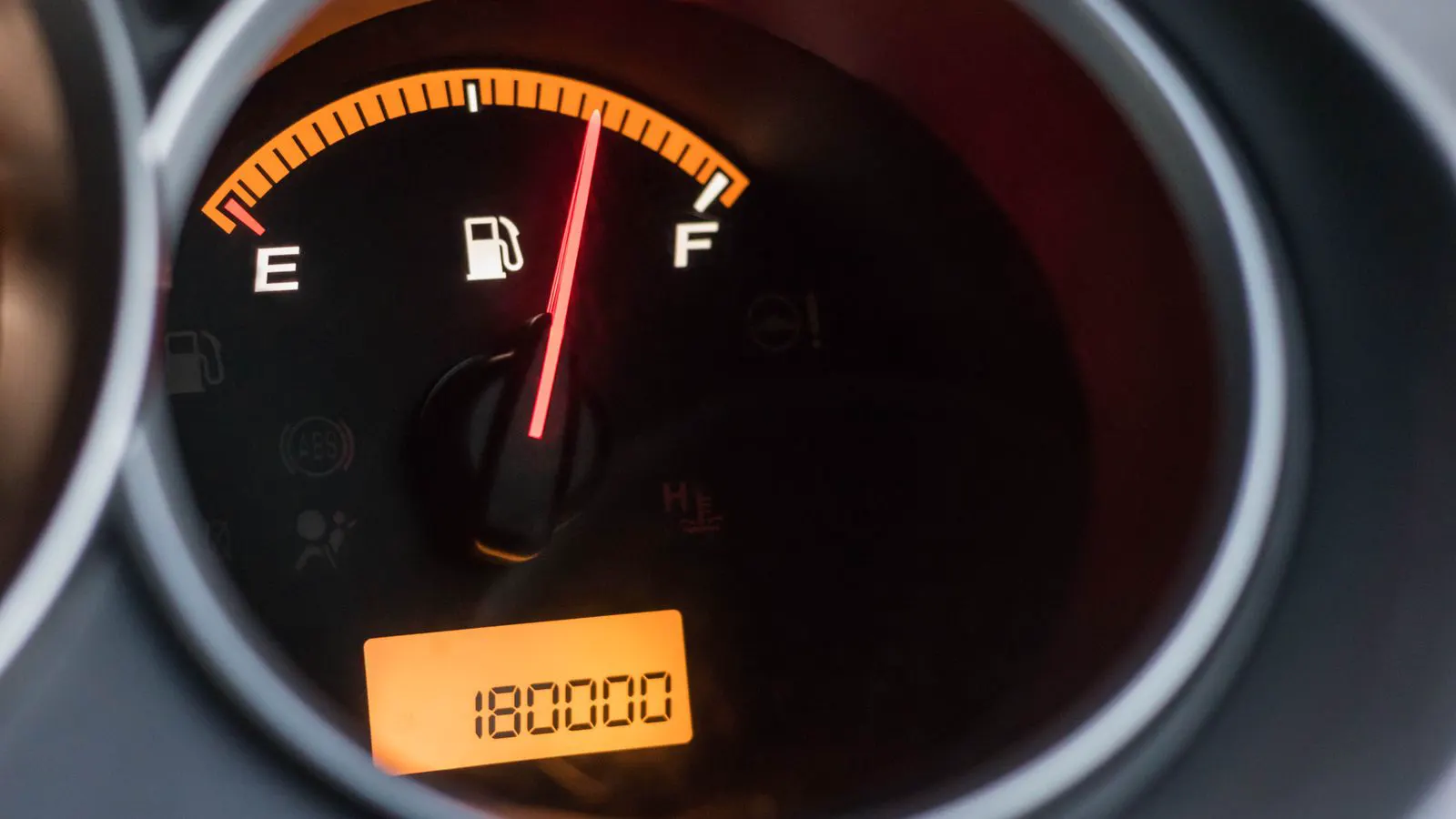
Create a log sheet before the test begins. The sheet needs columns for date, time, ambient temperature, load in kVA, fuel tank level, and run time. Record the fuel level at the start of the test. Wait until the engine is stable. Record the level again at the end. Calculate the difference.
For example, if the tank reads 80 gallons at start and 72 gallons at end, the consumption is 8 gallons. If the unit ran for 4 hours at 100 kVA, the gph per kva calculation becomes straightforward.
Keep the log for at least three separate test runs. One run captures a single event. Three runs establish a trend. Temperature and humidity affect fuel density and engine efficiency. A cold morning run will always burn more than a midday run at the same load.
Red flag: Inconsistent readings across runs without a corresponding change in load. This indicates a measurement error, a leaking gauge, or a fuel supply issue.
Calculating Specific Fuel Consumption
Specific fuel consumption (SFC) is the weight of fuel consumed per unit of power output. It is usually expressed in grams per kilowatt-hour or pounds per horsepower-hour. To calculate it, divide the total fuel weight consumed by the net power output in kilowatts, then multiply by the run time.
For a diesel engine, fuel density varies slightly with temperature. A standard diesel has a density of approximately 8.0 to 8.4 kg per liter. For a general efficiency audit, using a fixed density of 8.2 kg per liter is acceptable. If you need higher precision, measure the density of your specific fuel batch.
The formula is simple:
SFC = (Fuel Weight in kg) / (Net Power in kW x Run Time in hours)
Compare the result against the manufacturer’s rated SFC at the same load point. Diesel engines are most efficient near 75% to 90% of rated output. At low loads, SFC rises sharply. At high loads, it rises again due to thermal limits. If your calculated SFC is higher than the rated value at 80% load, the engine is not operating as specified.
Red flag: SFC is consistently high across multiple load points. This suggests mechanical wear, not just poor load management.
Comparing Gph per kVA
Gallons per hour per kVA is a practical metric for field engineers and buyers. It converts fuel usage into a rate that scales with output. It makes it easy to compare units of different sizes or to benchmark against similar models.
Divide the gph (gallons per hour) by the load in kVA. If a unit runs at 20 gph at 100 kVA, the gph per kVA is 0.20. If it runs at 45 gph at 200 kVA, the gph per kVA is 0.225. The second unit is less efficient per unit of output.
This metric is less precise than SFC because it uses volume rather than weight. Fuel density changes affect the result. However, it is faster to calculate and requires less equipment. For a routine efficiency audit, gph per kVA is sufficient.
Red flag: A sudden jump in gph per kVA between two runs at the same load. Check the fuel filter, the air intake, and the engine oil level.
Efficiency Audit: Mechanical and Electrical Checks
A fuel cost analysis that only looks at fuel numbers misses the cause. The engine must be physically sound. The following checks identify common sources of inefficiency.
- Air Filter Inspection: A clogged air filter restricts airflow. The engine works harder to pull in the same volume of air. This increases fuel consumption and reduces power. Remove the filter. If it is dark, oily, or blocked with debris, replace it.
- Injector Condition: Worn injector tips spray fuel unevenly. The combustion becomes incomplete. Unburned fuel exits through the exhaust. This shows up as black smoke and higher SFC. Check for smoke during a load test.
- Turbocharger Function: A failing turbocharger reduces boost pressure. The engine cannot produce full power at the same fuel input. Listen for whining or rattling noises. Check the wastegate for sticking.
- Engine Oil Level and Condition: Low oil levels reduce lubrication and increase friction. High oil levels can cause aeration, leading to higher fuel use. Top off the oil if low. Change it if it is dark and sludgy.
- Cooling System: An overheated engine derates itself to protect internal components. The control system may reduce fuel injection. Check the radiator fins for blockage. Verify the coolant level.
- Battery and Charging System: A weak starting battery strains the starter motor. The charging system may not keep up under load. Check the voltage under load. Low voltage can cause incomplete combustion in some engine designs.
Red flag: Black smoke on the exhaust during load. This is a direct sign of incomplete combustion. It wastes fuel and damages the engine.
Interpreting the Results
Once you have the numbers and the mechanical checks, interpret the data.
If the fuel consumption matches the nameplate rating within a small margin, the engine is performing as expected. No action is needed beyond routine maintenance.
If the consumption is higher than rated but the engine runs smoothly, check the load profile. Is the generator running at a low load for long periods? Low-load operation is inherently less efficient. Consider adjusting the load or replacing the unit with a smaller model if the load is consistently low.
If the consumption is significantly higher than rated, the engine has a mechanical fault. The efficiency audit above will point to the source. Repair the fault. Re-run the test. The consumption should drop back toward the rated value.
Red flag: Fuel consumption is normal, but the output is low. This is a red flag for a derating issue. The control system may be limiting power due to a sensor fault. Check the temperature sensor, the pressure sensor, and the control panel for error codes.
Maintaining the Fuel Cost Analysis
A fuel cost analysis is not a one-time task. It is a recurring audit. Run it quarterly or after any major maintenance. Keep the logs. Track the trend over time. A slow drift in SFC or gph per kVA is an early warning of wear.
Compare the current data against previous runs. If the SFC has risen by a measurable amount over six months, schedule a deeper inspection. Do not wait for a breakdown.
Use the data to make business decisions. If the fuel cost per kVA is rising, calculate the annual cost. Compare it against the cost of a replacement or a different model. This turns a technical audit into a financial tool.
Red flag: No records. If you have not logged fuel usage for more than a year, you have no baseline. Start today. The first run will be slow, but it sets the foundation for all future audits.
When to Call an Engineer
Some issues are beyond the scope of a standard efficiency audit. If the engine has a cracked block, a failed piston, or a damaged turbocharger, the fix is major. Do not attempt to diagnose internal engine damage by fuel consumption alone.
Call a certified engine technician if:
- The engine produces heavy smoke under load.
- The oil pressure drops during operation.
- The coolant temperature exceeds the normal range.
- The engine makes unusual noise.
- The control system shows repeated fault codes.
A professional inspection can identify internal damage before it becomes a total loss. The cost of a repair is far lower than the cost of a replacement.
Frequently asked questions
How often should I run a fuel cost analysis?
Run it quarterly for routine units and after every major maintenance service. More frequent testing is recommended if the unit is running at low loads or in harsh environmental conditions.
What is the difference between specific fuel consumption and gph per kVA?
Specific fuel consumption uses weight and is more precise for engineering comparisons. Gph per kVA uses volume and is easier to calculate in the field. Both are useful, but SFC is the standard for formal audits.
Can fuel quality affect the results?
Yes. Fuel density and cetane number vary by batch. A lower quality fuel may burn less completely, increasing consumption. Use the same fuel type for all test runs to ensure accuracy.
What if my generator is part of a parallel system?
Isolate the unit for testing. If isolation is not possible, use a flow meter on the fuel line to measure consumption for that specific engine. Shared tank readings are not reliable for parallel systems.
Is a small difference between actual and rated fuel usage a problem?
A small difference is normal and acceptable. Engine wear, ambient temperature, and load fluctuations cause natural variance. A consistent increase over time is the real concern.