Troubleshooting: When a Supplier Ignores Service Requests
When a generator service provider ignores service requests, downtime risk rises. Use a structured escalation path, document every contact, verify SLA terms, and prepare interim measures to protect operations and secure accountability.
- A generator service provider that misses a call or delays a response is a process failure, not just bad luck.
- Escalation requires clear documentation, contract references, and a defined chain of command.
- Temporary power measures and internal workarounds protect operations while supplier accountability is pursued.
- Prevention starts with SLA verification, network coverage checks, and regular response testing.
- A reliable supplier support structure protects uptime and reduces the cost of unplanned downtime.
When the phone is not answered
A breakdown at a critical load point is stressful enough. It gets worse when the generator service provider does not pick up the call, misses the response window, or sends no technician at all. The first step is to treat the silence as a service failure, not a technical anomaly.
Check the service ticket or work order number. If one exists, note the creation time, the stated response window, and the name of the technician or support representative assigned to the job. If there is no ticket, create one immediately. Keep a written record of every call, message, and email. Include the date, the time, the person you spoke with, and the exact statement made about the next step.
Do not rely on a single phone number. Use the support channels listed in the service contract. If the contract names a 24/7 emergency line, use that line. If it lists an email address for non-emergency issues, use that address only after the emergency line has been attempted. If the contract is silent on contact details, that is a documentation gap. Flag it in writing.
What to do when the first response is empty
The first response from a supplier support team may be a voicemail, an automated message, or a reply that says a technician is “dispatched” but never arrives. In each case, the action is the same: escalate.
A practical escalation path has four steps:
- Confirm the ticket number with the initial contact.
- Ask for a named technician, an ETA, and a direct phone number.
- Request a written confirmation of the ETA by email or message.
- If the ETA passes without contact, escalate to the supplier’s site manager, regional manager, or account manager.
Keep the escalation factual. State the job number, the failure time, the impact on operations, and the missed response window. Do not argue about whether the delay is “acceptable.” The contract defines what is acceptable. If the contract does not define it, that is a procurement problem to fix later.
A practical troubleshooting table
The table below lists common symptoms of a failed supplier support process, the likely causes, and the immediate actions to take.
| Symptom | Likely cause | What to do |
|---|---|---|
| No answer on the first or second call | Support staff on leave, understaffed desk, or missed handover | Call the secondary line, send a written request to the email address in the contract, and note the missed window. |
| A technician is promised but does not arrive | Dispatch error, parts shortage, or the assigned technician is handling another job | Request a named replacement, ask for a written ETA, and ask what part or component is causing the delay. |
| The response is delayed beyond the SLA window | Internal approval bottleneck, lack of authorization, or a priority conflict with another client | Escalate to the account manager with the contract reference and the missed deadline. |
| The supplier gives no status update for 24 hours | Poor tracking, no ticketing system, or the job was lost in the queue | Send a written status request, reference the job number, and request a reply within a defined short window. |
| The supplier says a part is out of stock but gives no ETA | Parts supply chain delay, wrong part number, or no local stock | Ask for the part number, the expected lead time, and a written confirmation of the delivery date. |
| The technician arrives but cannot diagnose the fault | Lack of OEM training, wrong diagnostic tool, or unclear fault code | Ask the technician to document the fault code, the checks performed, and the reason the fault could not be resolved. |
Protecting operations while you wait
A service failure from a generator service provider is not just a paperwork problem. It is an uptime problem. If the generator is down, the load is on the grid, on another genset, or on battery backup. Every hour of extended downtime carries a cost.
Create a temporary power plan before the breakdown, not after. Identify which loads are critical, which can be shed, and which can run on a different source. If you have a secondary generator, know its fuel level, its last service date, and whether it can take the load. If you have a battery backup, know its runtime at the current load.
If the supplier is delayed, ask for a loaner or a temporary rental if the contract allows it. Some service contracts include a rental clause or a standby power option. If the contract does not, ask the supplier to arrange one. If they cannot or will not, source a rental from another provider. Keep the rental invoice. It may be used in a claim or in a negotiation for service credits.
Do not let the silence create a false sense of normalcy. If the supplier says a technician will arrive at 3:00 and it is 4:30, the delay has already happened. Do not wait for another hour to escalate.
Escalating to the right person
A first-line technician or support agent may not have the authority to override a missed SLA. The escalation path depends on the supplier’s structure.
A typical hierarchy is:
- Service desk or on-call technician.
- Field service supervisor or site manager.
- Regional service manager.
- Account manager or customer relations lead.
- Sales director or vice president of service.
Each level has a different trigger. Use the first level for a missed call. Use the second level for a missed ETA. Use the third level for a missed SLA with documented impact. Use the fourth level for a repeated failure or a contract dispute. Use the fifth level when the supplier has stopped responding to the fourth.
When you escalate, state the impact in operational terms. “The cold storage room is above the safe temperature range” is more effective than “This is urgent.” “The production line stopped at 09:15 and the client contract penalty starts at 15:00” is more effective than “We are losing money.”
Documenting the failure for the record
A supplier support failure that goes undocumented is a supplier support failure that will repeat. The documentation is the record that the supplier was contacted, the failure occurred, and the impact was measured.
Keep the following documents in a single folder:
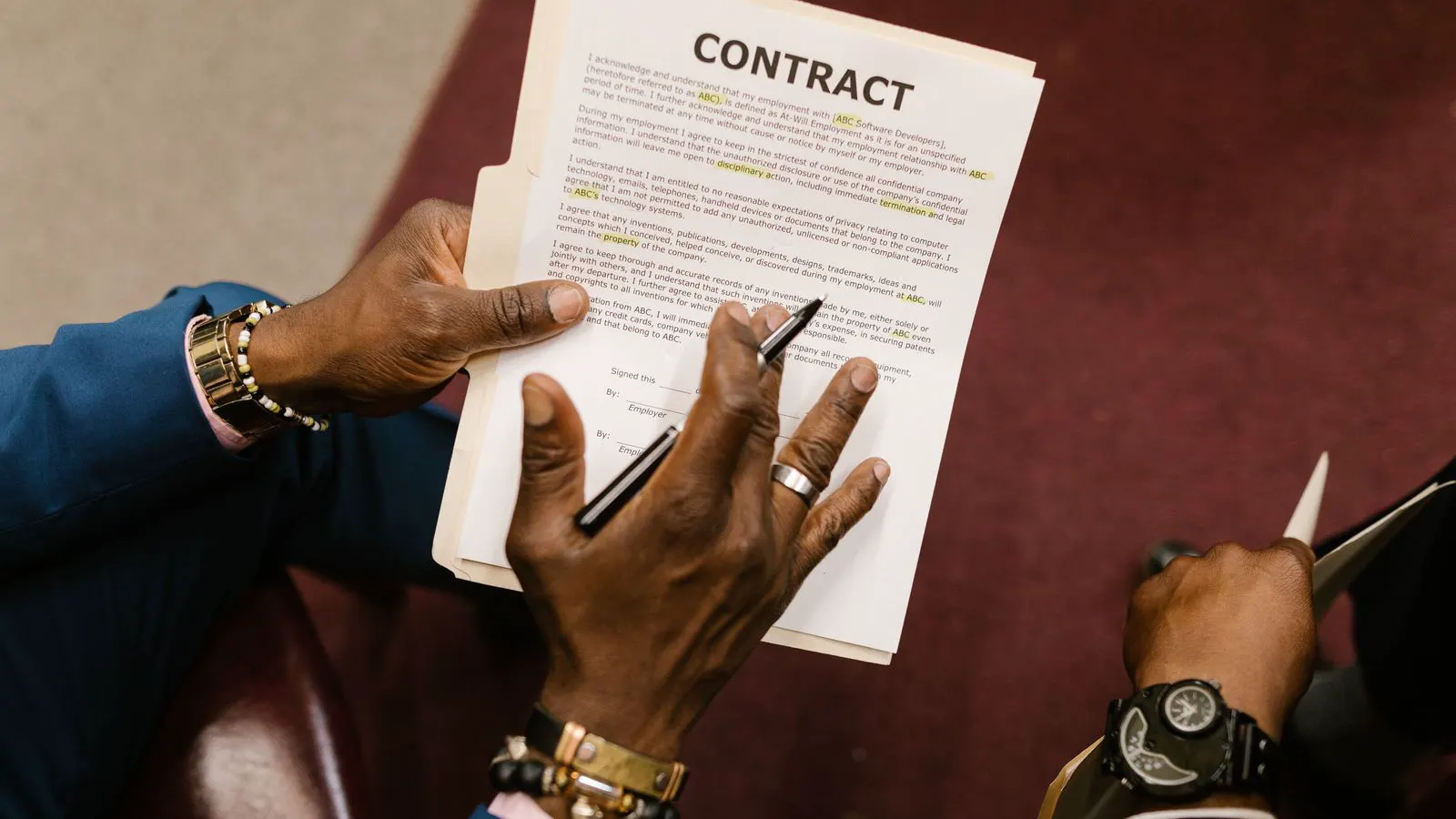
- The service contract or SLA statement, with the response time clause highlighted.
- The ticket or work order number.
- Call logs with dates, times, and the names of the people spoken to.
- Email or message threads, including any promise of a technician or a part.
- Photos of the fault code, the error message, or the broken component.
- A note of the operational impact, such as lost production, client penalties, or safety concerns.
If the supplier eventually resolves the issue, ask for a written incident report. The report should state the root cause, the time the fault was identified, the time the technician arrived, the time the fault was fixed, and the reason the response was delayed. If the supplier refuses to provide a report, note that refusal in the folder.
Prevention: how to avoid the next failure
A missed service request is usually a symptom of a weak support structure. The fix is not to find a more reliable technician. The fix is to verify the support structure before the breakdown.
Check the service contract for the response time clause. If the clause is vague, ask for a written clarification. Check the service network coverage. Does the supplier have a technician within a defined radius? Does the supplier have parts in local stock? Check the contact channels. Are there at least two independent ways to reach the support desk?
Run a low-risk test. Call the support desk at an off-peak time. Ask a simple question about a routine service item. Note the response time. Note whether the answer is correct. Note whether a ticket is created. This test does not replace a real service visit, but it reveals whether the support desk is actually staffed.
Review the supplier’s support structure at the same interval you review the service contract. If the supplier changes its service model, its parts supplier, or its support desk, ask for the updated SLA. If the support structure has changed, the old SLA may no longer be enforceable.
A generator service provider that ignores a service request is a risk. The risk is not just the downtime. The risk is the loss of use. A supplier that does not respond to a fault is a supplier that will not respond to a price increase, a contract renewal, or a quality complaint. The response to the first failure is the test of the relationship.
Frequently asked questions
What is the first step when a generator service provider does not answer a service call?
Use the contact channels listed in the service contract and document every attempt. If the emergency line is missed, send a written request to the email address in the contract and create a ticket if one does not exist.
How do I escalate a missed SLA window?
Escalate to the site manager or regional manager with the job number, the missed deadline, and the operational impact. Use the account manager if the response does not improve within a short defined window.
Can I claim a service credit for a missed response?
If the service contract defines a service credit for missed response times, yes. If the contract does not define it, the credit is a negotiation point, not an automatic entitlement.
What should I do if the supplier says a part is out of stock?
Ask for the part number, the expected lead time, and a written confirmation of the delivery date. Ask whether a temporary rental or a loaner unit is available while the part is in transit.
How do I prevent a supplier support failure in the future?
Verify the SLA terms, check the service network coverage, confirm the contact channels, and run a low-risk test of the support desk before a critical breakdown occurs.